Los Angeles County · a neighborhood of the City of Los Angeles
Electrician in Venice
Infinity Electrical Inc. (CSLB #1100231) is a licensed electrical contractor serving Venice, the beach community of the City of Los Angeles, where electrical permits come from LADBS and power from LADWP. What sets Venice apart is its edges and its planning rules: Santa Monica to the north and Marina del Rey to the south are SCE territory, and the Venice Coastal Zone Specific Plan shapes additions, walk-street lots and canal-side homes.
Small repairs welcome · Free estimates on eligible work · Licensed C-10 #1100231Call (844) 430-7681
What we do in Venice
Everything we do in Venice, with what each job usually involves here. The photos are from our own jobs.
New main panel, new breakers and clean wiring
Panel upgrades in Venice
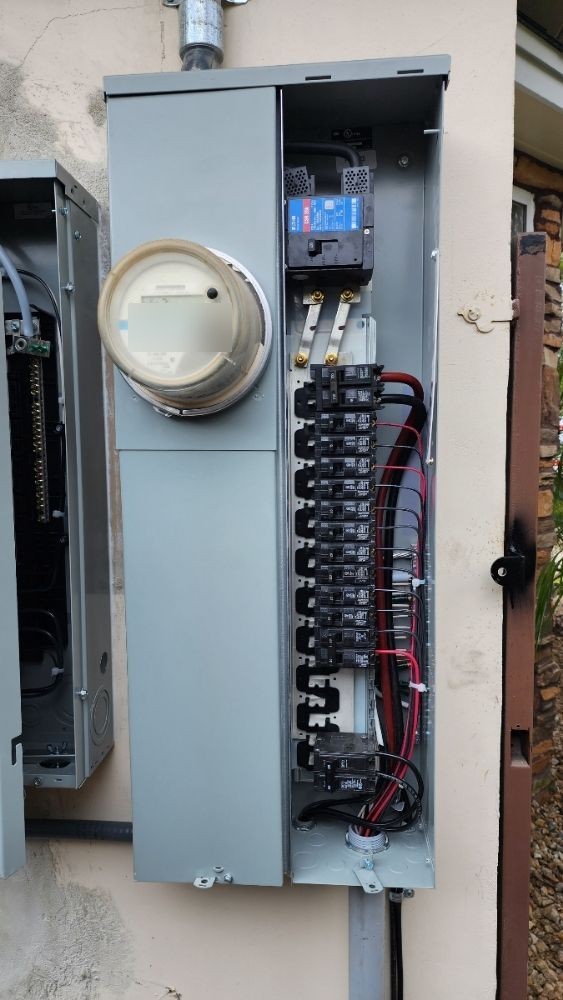
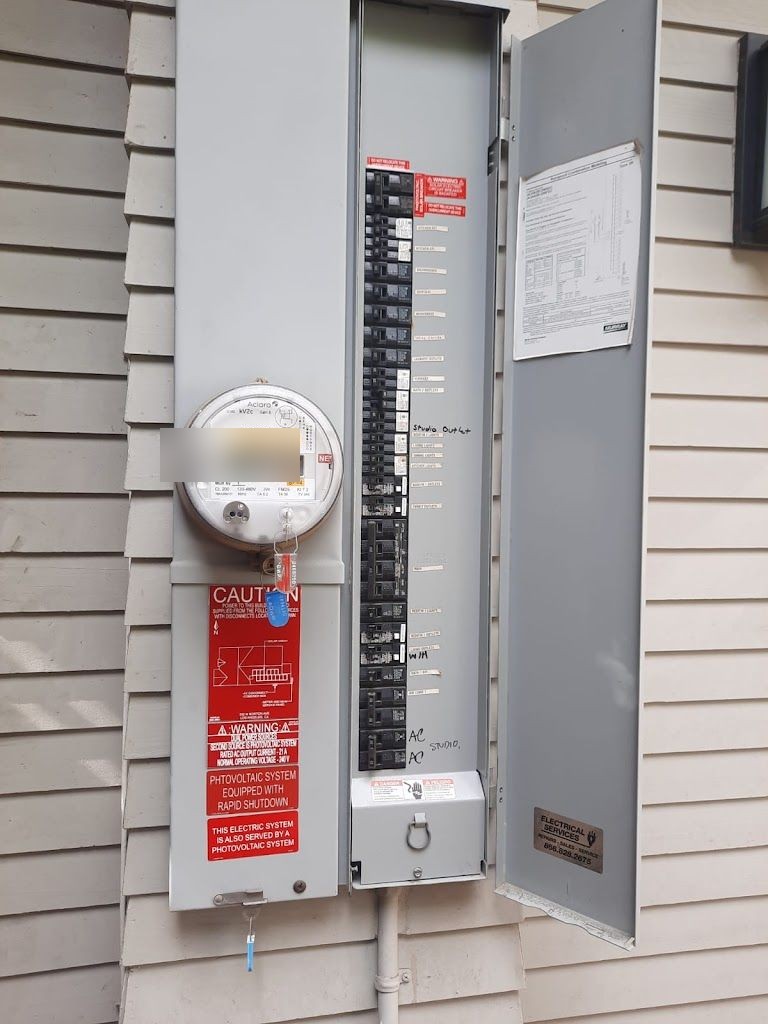
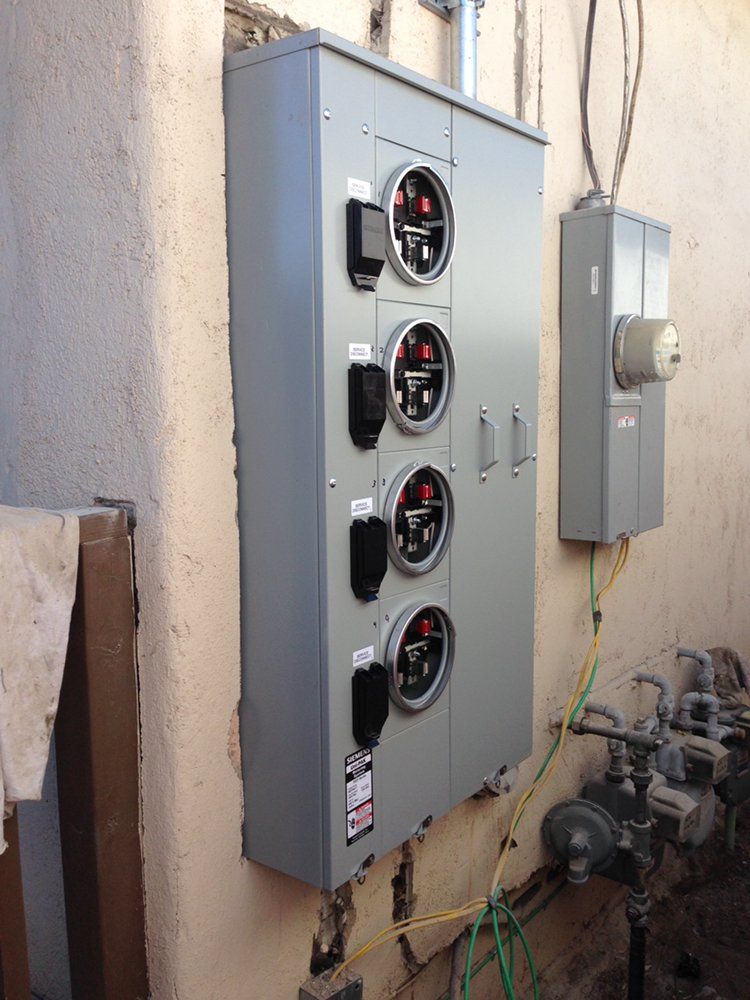
Service upgrades for pre-war bungalows and for apartment meter banks, with LADWP's meter spot coordinated and, on walk-street and canal lots, the new equipment placed where the alley gives access. For the load side of the decision, read whether a heat pump or induction range needs a bigger panel.
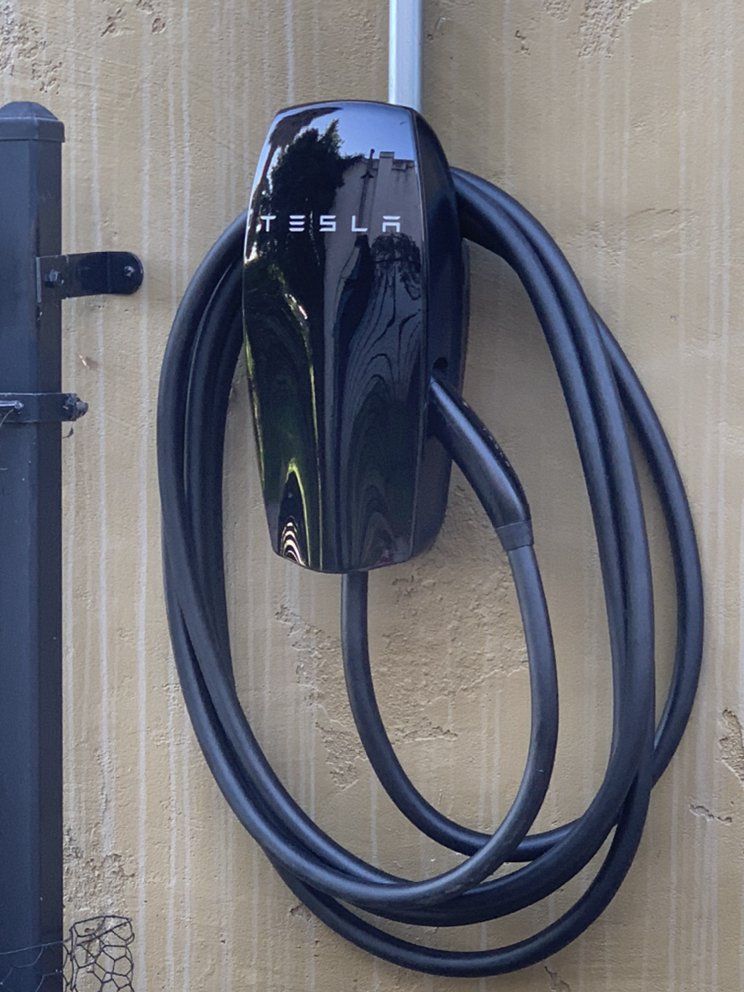
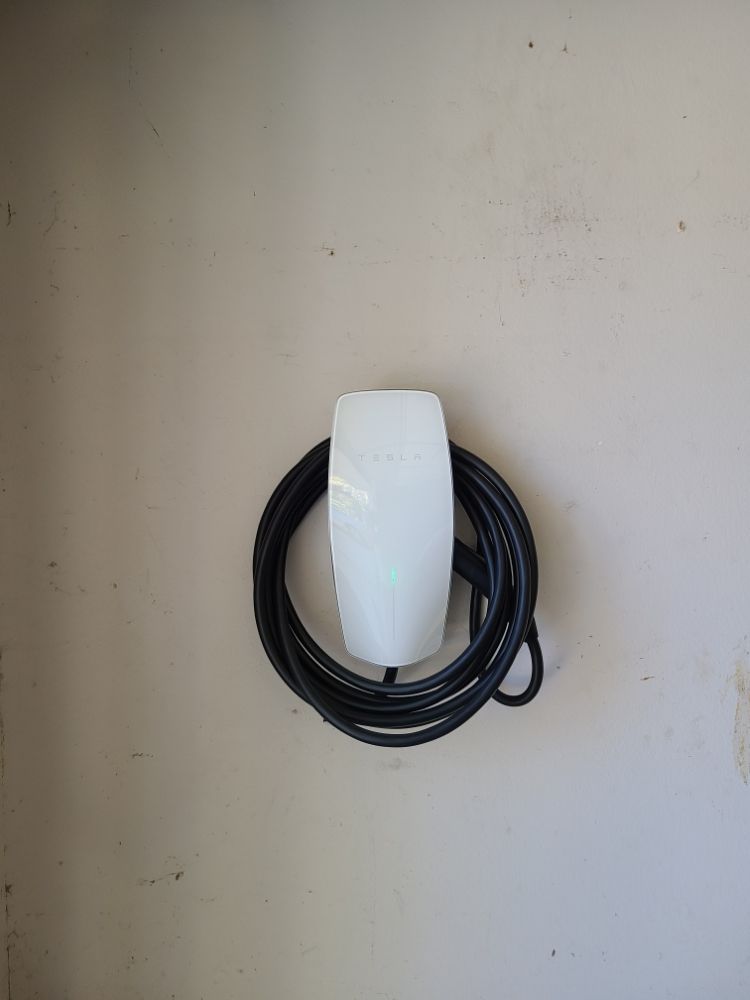
Level 2 circuits for alley garages and carports, which on narrow Venice lots often decide where a charger can go at all, and for condo owners, agreed with the HOA before any equipment is bought. See also EV charger permits in Los Angeles.
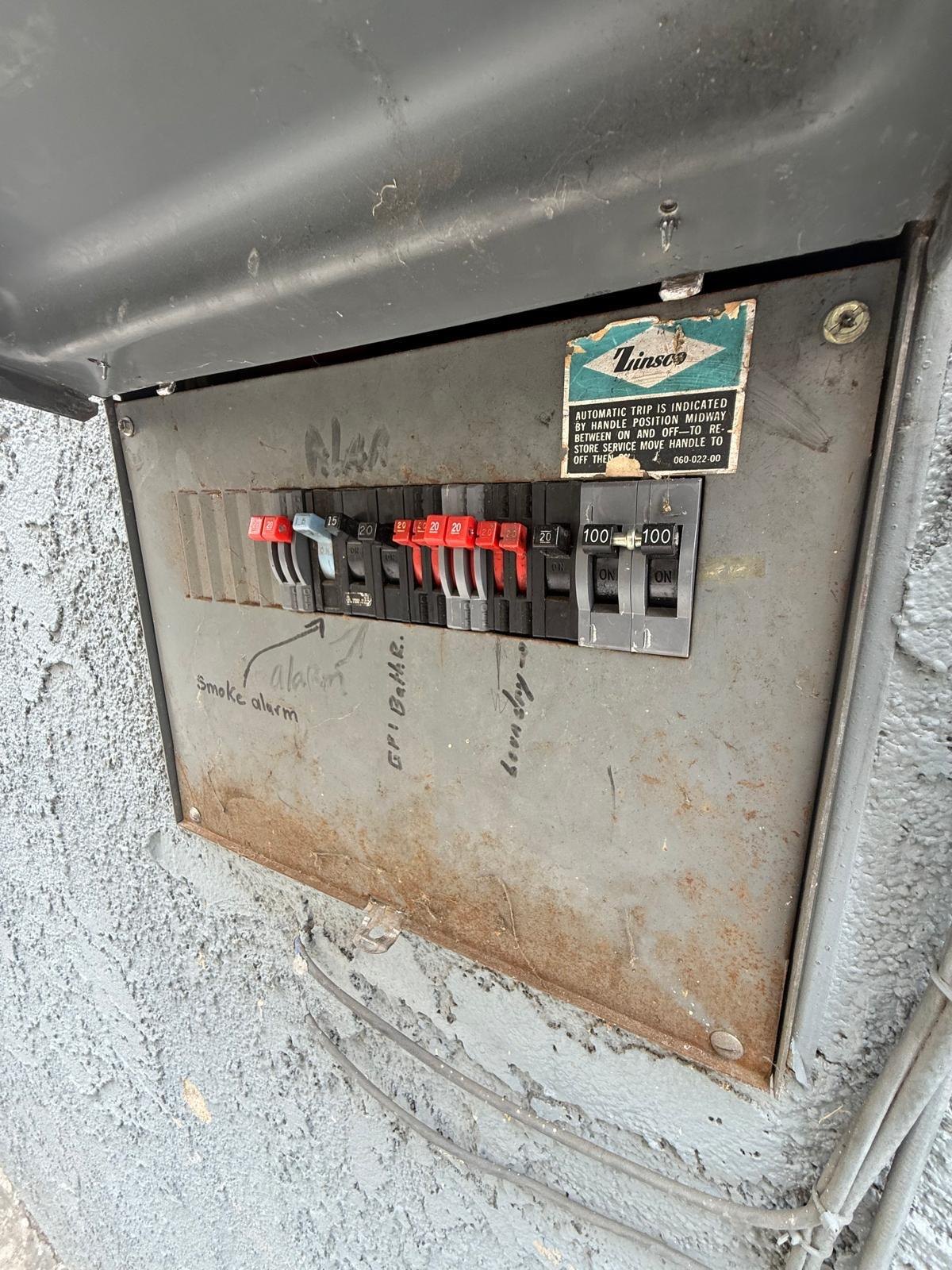
Inside a main panel: breakers, feeders and labeled circuits
Electrical repair & troubleshooting in Venice
Tracing tripping breakers, dead outlets and flickering lights in houses wired in stages by different owners, and faults in weathered outdoor boxes near the beach.
New construction rough-in: panel set and circuits run before drywall
Rewiring in Venice
Room-by-room rewiring of older bungalows and canal-area houses, routed inside the walls where practical to limit changes to a walk-street or canal facade.
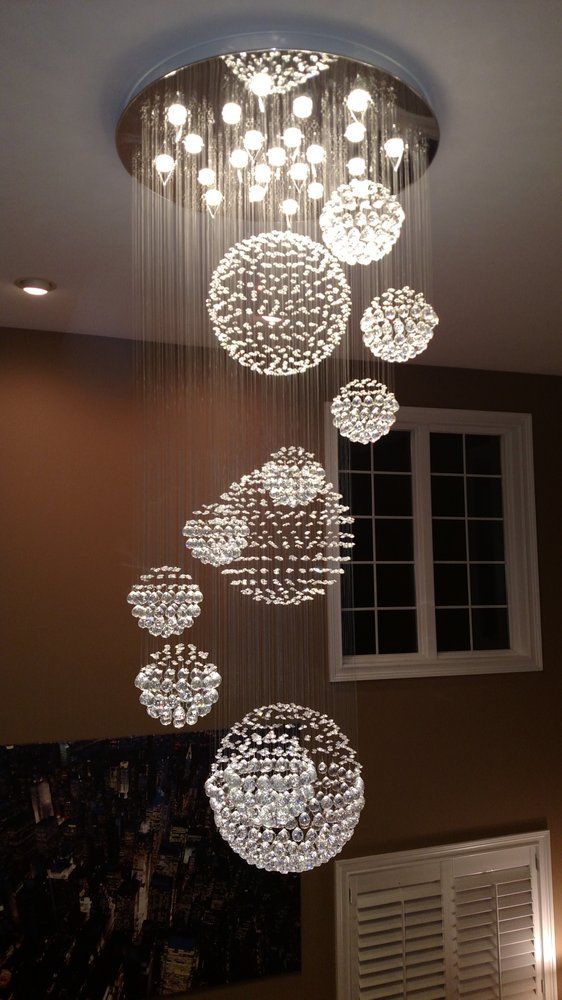
Weather-rated exterior and walkway lighting for canal and walk-street homes, roof-deck lighting, and display and dining-room lighting for shops and restaurants on Abbot Kinney and Lincoln.
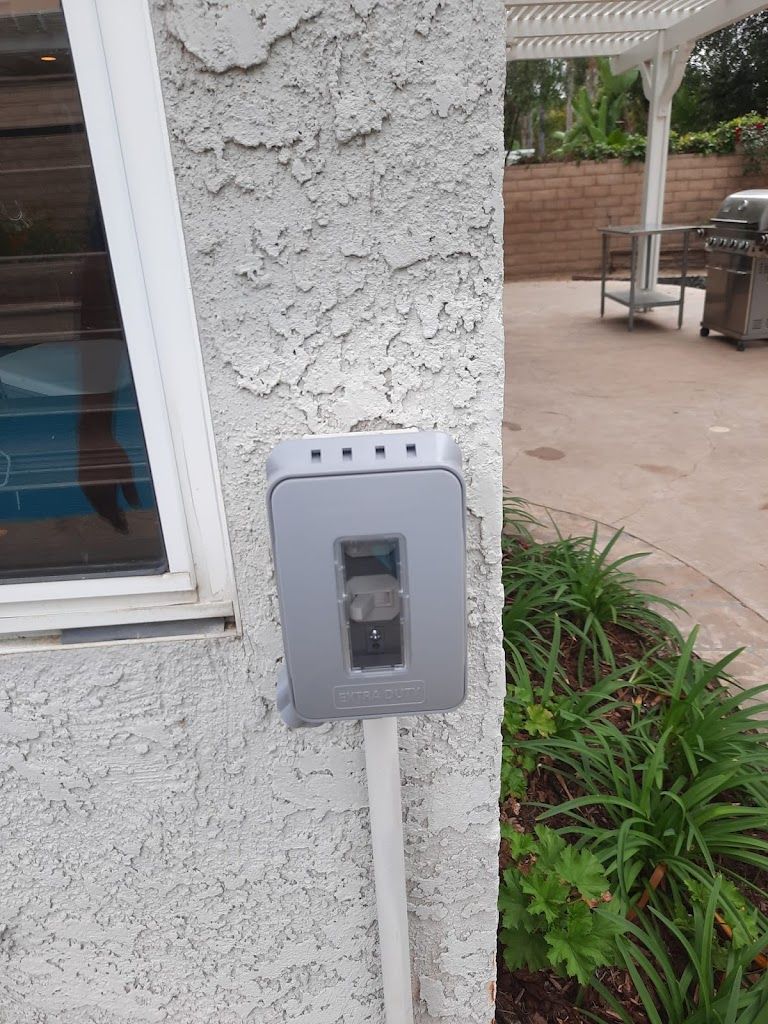
Outdoor GFCI outlet with an extra-duty weatherproof cover
Outlets, GFCI & new circuits in Venice
GFCI protection for kitchens, baths, patios and roof decks, grounded outlets where two-prong receptacles remain, and dedicated circuits for laundry, heat pumps and induction ranges in older units.
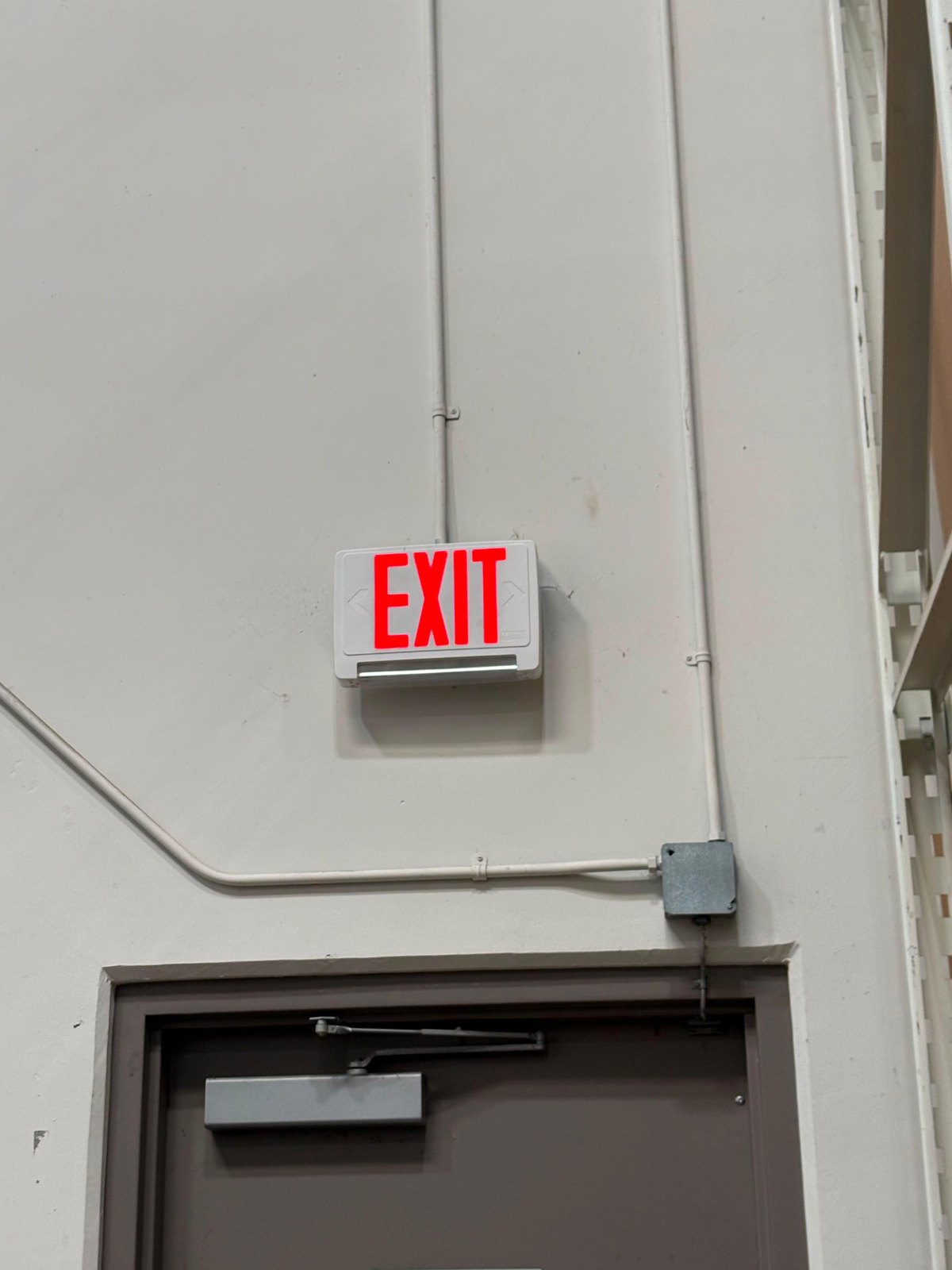
LED exit sign wired in surface conduit above a warehouse door
Commercial electrical in Venice
Tenant improvements, lighting and equipment circuits for storefronts, restaurants and offices on Abbot Kinney and Lincoln boulevards, and meter-bank and house-panel work for apartment owners.
Also: subpanels, dedicated circuits, 240-volt outlets for dryers and ranges, exterior and security lighting, hard-wired smoke alarms, and small repairs of every kind.
Need an electrician in Venice? Call now, or send the form and we'll call you back to set a time for an on-site estimate.
Venice covers the beach, the canals and the inland blocks between the Santa Monica city line and Ballona Creek. Abbot Kinney opened it in 1905 as a seaside resort he called Venice of America, with canals dug through the marshland for a residential district. It ran as its own city until voters approved consolidation with Los Angeles in 1925, and it joined the city in 1926. Since then every Venice address has been a City of Los Angeles address for permits and power, even though Venice still feels like a separate town.
That history explains a lot of the electrical work here. City Planning's 2020–2024 estimates count about 22,800 housing units in the Venice study area, roughly two-thirds of them in buildings with more than one unit and about 65% of occupied homes rented. Around 21% were built in 1939 or earlier and roughly 68% before 1980. Bungalows on narrow lots, older apartment buildings along Pacific Avenue, rebuilt canal houses and newer three-story homes can stand on the same block, and each brings a different electrical question.
Infinity Electrical offers panel and service upgrades, rewiring, troubleshooting, lighting, new circuits and EV charger circuits for houses, condos, apartment buildings and storefronts across Venice, from the Oxford Triangle to the Marina Peninsula.
A neighborhood of the City of Los Angeles, Los Angeles County
Areas we cover in Venice
Venice Canals
North Venice
Oakwood
Milwood
Southeast Venice
Oxford Triangle
Marina Peninsula
Silver Strand
Ballona Lagoon
Abbot Kinney Boulevard
Lincoln Boulevard
Good to know
A former independent city, consolidated with Los Angeles in 1926: LADBS permits and LADWP power
Santa Monica to the north and county-run Marina del Rey to the south are both SCE territory
The Venice Coastal Zone Specific Plan divides the area into eight subareas with their own height and parking rules
The Venice Canal Historic District was listed on the National Register of Historic Places in 1982
About one housing unit in five dates from 1939 or earlier (City Planning, 2020–2024 ACS estimates)
4.9★ from 232 Google reviews across our service area · Licensed C-10 #1100231 · Free estimates on eligible work
What's common in Venice homes
Venice packs canal-front houses, pedestrian-only walk streets, beachfront apartments and commercial strips into a small area, and lots are often narrow, with parking off an alley or not at all.
The Venice Canals. Kinney's original canals were mostly filled in and paved in 1929; the surviving network of six canals was drained, given new banks and dredged in 1992–1993, and the Venice Canal Historic District was listed on the National Register in 1982 and named a Los Angeles Historic-Cultural Monument in 1983. Houses face the water across public walkways, and the specific plan holds canal-side buildings to 22 feet within ten feet of the canal property line. Because the canal side faces a public walkway, access for equipment and parking for an EV charger often depend on the alley side of the lot.
Walk streets. Several Venice streets are open only to pedestrians, and the specific plan restricts vehicle access on them to emergency vehicles and keeps fences and hedges in the right-of-way to 42 inches. Houses that front a walk street are reached from a rear alley, if at all, which affects where a meter can sit, how materials reach the house and where a car is charged. Walk-street properties are also where the plan's exemption for improvements to existing homes does not apply.
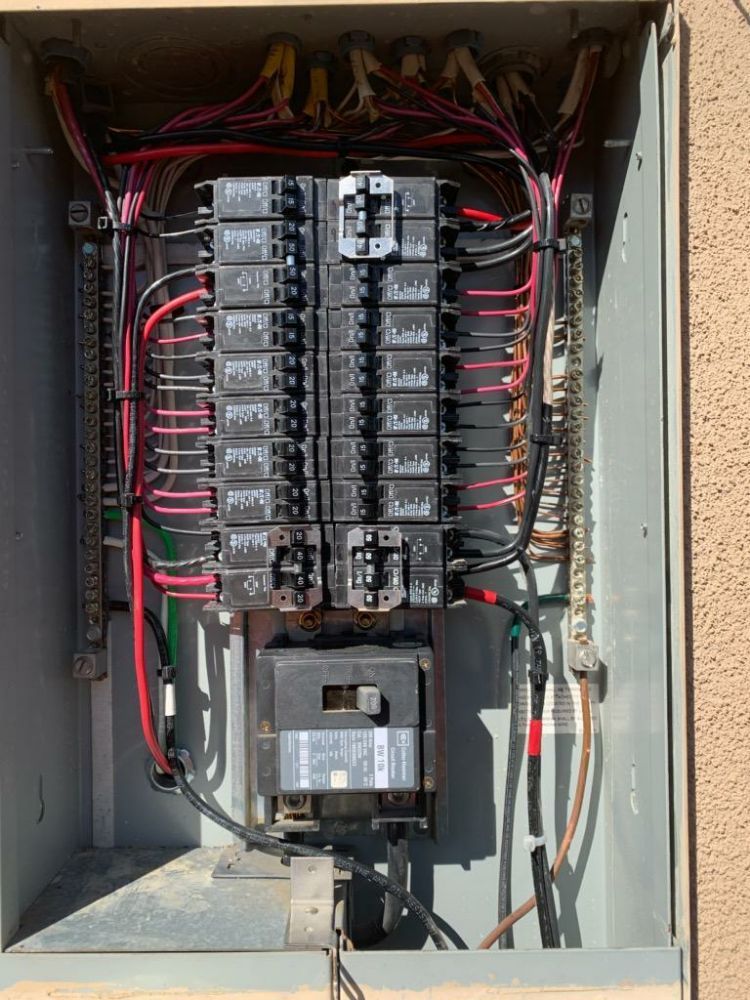
Bungalows and pre-war houses. More than one unit in five dates from before 1940. Original small services, ungrounded circuits and wiring extended by several owners over the years are common in houses of that age, so before recommending rewiring an electrician opens the panel and a sample of boxes to see what is really there.
Older apartment buildings. Early-1900s multifamily buildings along Pacific Avenue, some with no parking at all, and later apartment buildings inland make up much of the rental stock. Work there means meter banks, house panels for laundry and common lighting, and unit panels, scheduled so tenants lose power as briefly as possible.
Oakwood and the inland blocks. Oakwood, inland from the beach and west of Lincoln Boulevard, is one of the few historically African-American neighborhoods in West Los Angeles; together with Milwood and Southeast Venice it forms one subarea of the specific plan, with lower height limits than North Venice. When a smaller older house there is expanded, the project is where a load calculation and the coastal questions both come up.
Salt air. On the blocks closest to Ocean Front Walk, the beach air tends to be hard on outdoor metal, so rusted meter enclosures, weatherproof covers and exterior fixtures there are worth having an electrician check, with replacements chosen for coastal exposure.
Commercial strips. Abbot Kinney Boulevard is lined with shops, restaurants, bars and galleries, and Lincoln Boulevard is the main inland commercial corridor. Under the specific plan, commercial improvements that raise occupant load or required parking by less than ten percent are exempt from its project permit compliance review; the LADBS electrical permit still applies to the electrical work.
Permits and power in Venice
Venice addresses use ZIP codes 90291 and 90292, and 90292 is shared with Marina del Rey and parts of Culver City, so the mailing address alone does not settle who issues the permit or which utility owns the meter. Inside Venice, the citywide LADBS and LADWP steps below apply, but both of its land neighbours on the coast work differently.
The Santa Monica line. North of Venice, the City of Santa Monica issues its own permits and Southern California Edison delivers the power; news coverage of a 2022 outage, for example, counted more than 16,000 SCE customers in Santa Monica alone. A panel upgrade on a Venice street a block from the line follows LADWP's meter spot, while the same job across it follows SCE's process. Our Santa Monica page covers that side.
Marina del Rey. Marina del Rey, southeast of Venice, is unincorporated Los Angeles County land: the county owns the harbor and its Department of Beaches and Harbors manages it. Building permits for unincorporated areas come from LA County Public Works Building and Safety, and outage reports there name SCE as the utility. A 2013 CBS report on an SCE outage described it as hitting Marina del Rey and part of Venice, so near the marina the electric bill is the quickest way to tell which utility serves a building before any service work is planned.
The Venice Coastal Zone Specific Plan. Venice lies in the California Coastal Zone, and City Planning's specific plan (Ordinance 175,693, in effect since January 2004) divides it into eight subareas: Ballona Lagoon West Bank, Ballona Lagoon (Grand Canal) East Bank, Silver Strand, Marina Peninsula, Venice Canals, North Venice, Oakwood-Milwood-Southeast Venice and the Oxford Triangle. Each has its own height and parking limits. The plan's definition of a coastal development project centers on construction, demolition, changes in use or density and changes to the size of a structure, and it exempts improvements to an existing house or apartment building from its project permit compliance review unless the property is on a walk street. The plan does not single out electrical work, and its review exemptions are separate from coastal development permits, so whether a coastal step applies depends on the property and the scope of the job. Electrical work always needs its LADBS electrical permit; when it is part of an addition, a rebuild or a new unit, the coastal questions belong to that larger project and are best confirmed with City Planning before construction starts.
Dual permit areas. According to Coastal Commission staff reports, the city has run its own coastal permit program since 1978 and the Venice Land Use Plan was certified in 2001, but Venice has no certified Local Coastal Program yet, so every city coastal decision can be appealed to the Commission. Lots in the dual permit jurisdiction area, closer to the water, also need a coastal development permit from the Commission itself before other permits are issued. This matters to an owner planning an addition near the sand, and it is why we ask early whether the electrical work is part of a bigger project.
Permits come from the Los Angeles Department of Building and Safety (LADBS). A new circuit, an EV charger, a sub-panel or a panel replacement is permitted work, and LADBS will not send an inspector until the permit is issued. We pull it under our license and meet the inspector at the end.
Power comes from the Los Angeles Department of Water and Power (LADWP), not Southern California Edison. For repairs, lighting, new outlets and a charger that fits on the existing panel, LADWP is not involved. For a panel or service upgrade it is: the job starts with LADWP's free meter spot, where an Electric Service Representative visits within five to fifteen business days, confirms where the new equipment may go and leaves a sketch at the job (single-family services up to 320 amps can be requested online). When only the meter needs setting, LADWP says that generally happens within ten working days. If the existing LADWP service can carry the new load there are generally no LADWP charges; work in the street, on a transformer or on the lines can add cost and time, and we find that out before you commit.
Venice's inland neighbour, Mar Vista, is part of the City of Los Angeles, so LADBS permits and LADWP power carry straight across Lincoln Boulevard and the eastern blocks. Santa Monica, to the north, is a separate city with its own Building and Safety Division and SCE power. Marina del Rey, to the southeast, is unincorporated county land, where LA County Public Works issues building permits and SCE serves the area. Playa del Rey, across Ballona Creek, is back inside the City of Los Angeles. Farther up the coast, Pacific Palisades is a City of Los Angeles neighbourhood on LADWP power, like Venice.
See the full list of areas we cover across Los Angeles, Orange and Ventura counties.
From our jobs
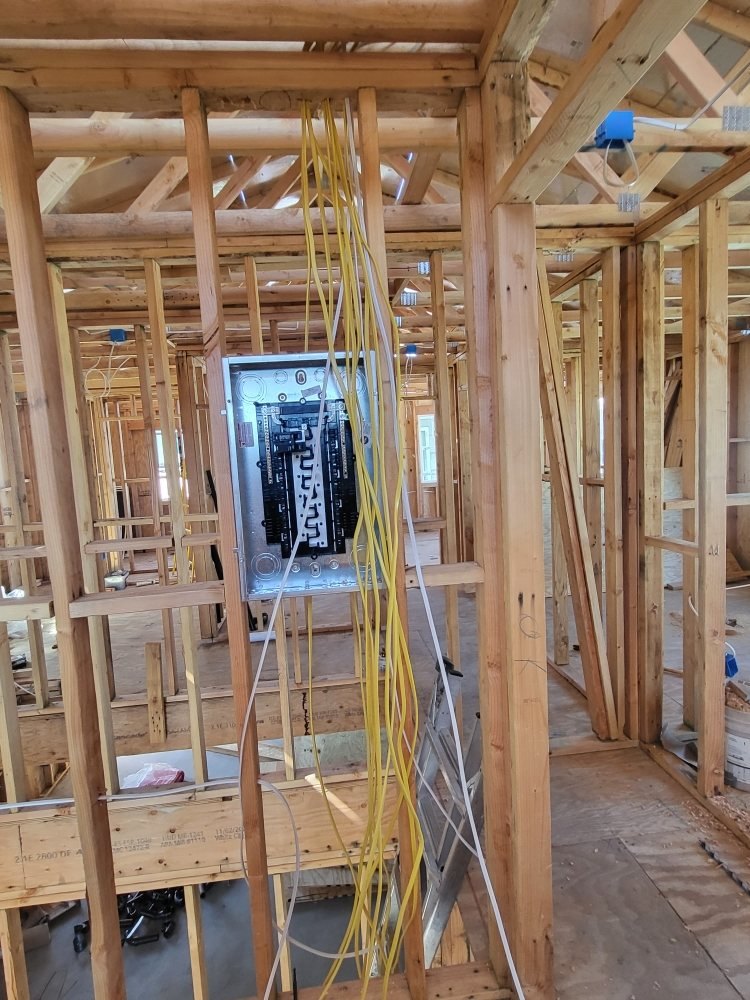
Panel upgrade with a new LADWP meter, labeled circuits and solar disconnect labelingTesla Wall Connector, garage installOriginal Zinsco panel with a rusted cover and hand-written labelsFour-unit meter stack for a multi-family building
No phone quotes and no guessing. A written estimate after we've seen the job, then permitted, inspected work.
STEP 01
Reach out
Call or send the form. A photo of the panel or the problem helps us come prepared.
STEP 02
On-site visit
We come to your home or business and look at the panel, wiring or site.
STEP 03
Written estimate
Scope, price and timeline in writing before you decide anything.
STEP 04
Permitted, inspected work
We pull the permit, coordinate your utility when needed, and finish with the inspection.
Questions people ask
Is Venice served by LADWP or Southern California Edison?
Venice is served by LADWP because it has been part of the City of Los Angeles since 1926, and LADBS issues its electrical permits. Its two coastal neighbours are different: Santa Monica to the north and Marina del Rey to the southeast are on SCE. Near either edge, and especially near the marina, the name on your electric bill is the quickest check before planning a panel or service upgrade.
My address says Marina del Rey 90292. Is my home in Venice?
Not necessarily, because ZIP 90292 covers Marina del Rey and parts of Venice and Culver City. The Marina Peninsula and Silver Strand are City of Los Angeles subareas of the Venice specific plan, while the harbor area of Marina del Rey is unincorporated county land with County building permits and SCE power. The parcel, not the mailing address, decides which office and utility apply, and we confirm it before quoting.
Do I need a coastal development permit to upgrade my panel in Venice?
It depends on the property and the scope of the project, because the Venice Coastal Zone Specific Plan does not single out electrical work. The plan's rules center on construction, demolition and changes to a building's size or use, and its exemption for improvements to existing homes off walk streets applies to the plan's own compliance review, not to coastal development permits. A panel upgrade always needs an LADBS electrical permit. If the upgrade is part of an addition, a rebuild or a new unit, the coastal questions belong to that larger project, and in the dual permit area near the water the Coastal Commission also has a say; City Planning or LADBS can confirm what applies to a given parcel.
Our house is on a walk street. Where can a new meter or EV charger go?
On a walk street the answer is usually the alley side, because vehicle access on walk streets is limited to emergency vehicles and the street-facing yard has its own height and encroachment limits. LADWP's meter spot settles where new service equipment may sit, and a charger has to be near where the car actually parks, often a rear garage or pad. Walk-street lots also fall outside the specific plan's exemption for improvements to existing homes, so exterior changes deserve a check with City Planning first.
We live on the Venice Canals. Does the historic district limit electrical work?
The Venice Canal Historic District is listed on the National Register and is a Los Angeles Historic-Cultural Monument, so changes to the canals and the public walkways are watched closely, and canal-side buildings have their own height limits in the specific plan. Electrical work inside an existing house, such as rewiring or replacing a panel in place, still needs its LADBS electrical permit, and any historic or coastal review that applies is best confirmed with City Planning for the specific parcel. New exterior equipment is often easier to place on the alley side, away from the canal frontage.
Ready when you are.
Call now, or send the form and we'll call you back to schedule an on-site estimate.