
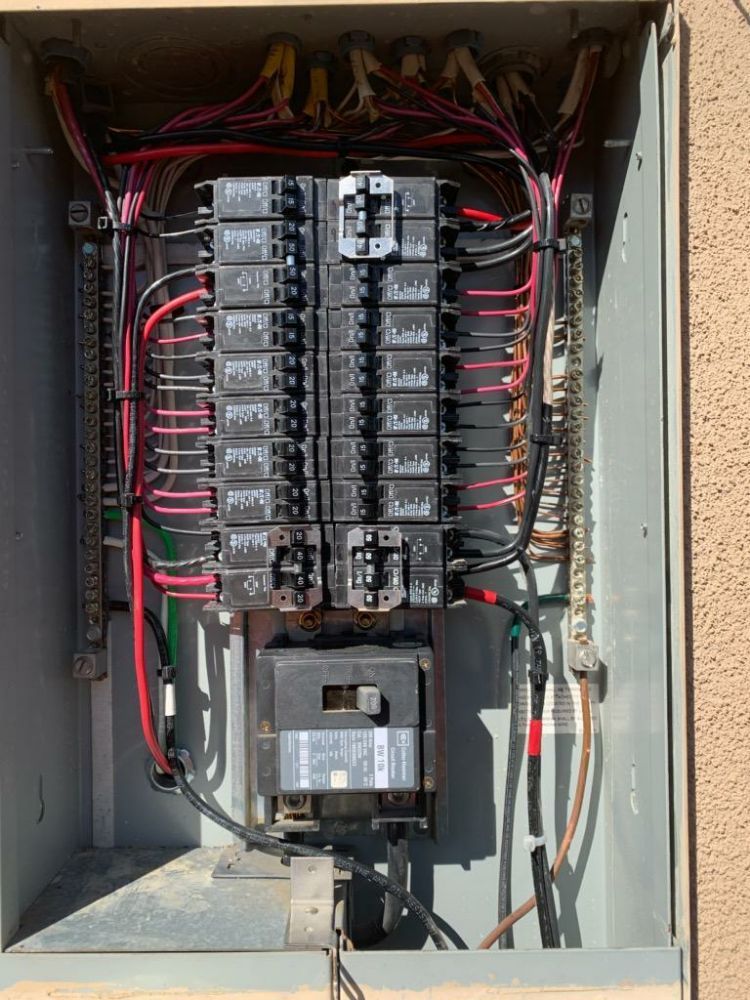
Before a shutoff, sign up for your utility's alerts, decide which things in your house truly need power, and charge or fuel whatever backup you have while the grid is still on. While the power is out, unplug sensitive electronics and large appliances; when it comes back, turn things back on a few at a time.
This checklist is written for homes in Southern California Edison territory, where Public Safety Power Shutoffs happen, with notes for LADWP customers.
What a Public Safety Power Shutoff is
SCE describes a Public Safety Power Shutoff as a utility temporarily shutting off power to reduce the risk of its equipment causing a fire. SCE says it begins sending notifications up to three days in advance when conditions may lead to a shutoff, but that forecasts can change and there might be little to no notice if strong winds start suddenly.
Power doesn't come straight back when the wind stops: SCE says crews inspect the lines first, and that inspections typically take up to eight hours but may take longer if daylight is required. Ventura County's PSPS guidance explains why: re-energizing damaged equipment can ignite a fire.
1. Sign up for alerts now, not when the wind starts
- SCE account holders can update contact information in My Account to get shutoff notifications by text, email or voice call.
- Tenants, caregivers and others without the SCE account can sign up for address-level PSPS alerts from SCE's alerts page.
- Ventura County residents are encouraged by the county to register for both SCE alerts and VC Alert.
- LADWP customers: LADWP is a separate utility from SCE. LADWP offers outage alerts by text, email or both through your LADWP online account, for up to three neighborhoods. LADWP's own policies on shutting off power in fire weather are set by LADWP, so check its website for its current approach rather than assuming it works the same way as SCE's program.
If your power comes from a city-owned utility, such as in Burbank, Glendale or Pasadena, check that utility's website for its alerts.
2. Decide what actually needs power
Make a short list. For most homes it looks like this:
Medical equipment. If anyone in the house relies on powered medical equipment, plan for it first. SCE's Medical Baseline program is for households where a full-time resident regularly uses electrically powered medical or life-support equipment, or has certain conditions that require heating or cooling. It lowers energy costs; it doesn't guarantee power during an outage. SCE's Critical Care Backup Battery program provides portable backup batteries to customers who live in a high fire risk area, are enrolled in Medical Baseline and use qualifying medical equipment; SCE says it is offered first come, first served while funding lasts, so call SCE to confirm it is available. The Red Cross also advises talking with your doctor or medical device provider about a plan, and leaving if the home gets too hot or too cold or a device can't be powered.
The refrigerator and freezer. Keep the doors closed. FoodSafety.gov says a refrigerator keeps food safe for up to 4 hours in an outage, and a full freezer holds a safe temperature for about 48 hours (about one day if half full and the door stays closed).
Heating. Most central heating systems, gas furnaces included, need electric fans to move warm air, so they typically won't run during an outage unless a backup source is wired to them.
The garage door. An electric opener won't work without power. Learn how your opener's emergency release works, following the manufacturer's instructions, before the day you need to get the car out.
Sump pumps and well pumps. If your home has one, it needs power to run and belongs on your list.
Phones and the internet. Charge phones, battery packs and laptops ahead of time.
3. Plan for EV charging
A home EV charger runs on house power, so it stops when the power does. Charge the car fully when the first notice arrives. If you need to charge during an outage, SCE points drivers to public charger maps such as PlugShare.
A home battery can often be set up so the EV charger is left off the backed-up circuits, since an EV charger would drain the battery quickly.
4. Get backup power ready, safely
Portable generators: outdoors only. Generators make carbon monoxide. The Consumer Product Safety Commission's portable generator safety alert says to use them outside only, at least 20 feet from doors, windows and vents, and to install battery-operated carbon monoxide alarms, or plug-in alarms with battery backup, in the home. SCE's outage tips say portable gasoline or propane generators should never be used inside your home, garage or other enclosed spaces. Test-run the generator outdoors, with fuel stored safely, before a shutoff is announced.
Never backfeed. CPSC says never to power house wiring by plugging a generator into a wall outlet, because it can send power back onto the lines and endanger utility workers and neighbors. A generator should feed house circuits only through a transfer switch or a listed interlock with an outdoor inlet, installed by a licensed electrician. Our article on transfer switches and interlocks explains both.
Solar and batteries. Most grid-tied solar shuts off when the grid goes down unless it has a battery set up for backup; if you have one, check that it is charged when the notice arrives. Our solar and outages article covers what that takes.
5. When the power goes out, and when it comes back
- Leave one light switched on. SCE suggests switching off the lights except one, so you know when the power returns.
- Unplug sensitive electronics and large appliances. SCE advises unplugging computers, stereos, televisions, fans, air conditioners and other large appliances to prevent damage, and using surge protectors for electronics. The Red Cross says to unplug appliances and electronics to avoid damage from power surges.
- Turn things back on gradually. Cal OES advises against switching on every appliance at once: turn on essential devices one at a time to avoid a sudden surge in demand.
- If a breaker tripped, you can switch it fully off and back on once. If it trips again, leave it off and call an electrician. Never remove the panel cover or try to fix anything inside the panel.
- If you smell burning, see scorch marks or hear buzzing at the panel or an outlet after power returns, turn that circuit off if you can do so safely and call an electrician. If there is smoke or fire, get out and call 911.
What an electrician can do before shutoff season
The work that makes an outage easier is done ahead of time:
- A generator inlet with a transfer switch or interlock, so a generator you own can run chosen circuits without backfeeding.
- A battery backup system, connected to the panel with the equipment that separates the house from the grid in an outage.
- A critical-loads subpanel, which groups the circuits you care about, such as the refrigerator, some lights and outlets, the router, the furnace blower and the garage door, so a battery or generator carries only those.
- A panel check, to confirm the panel has room and capacity for the new connection.
Infinity Electrical Inc. (CSLB #1100231) does this work across Los Angeles, Orange and Ventura counties. We don't sell generators, and permit and utility steps are coordinated as part of the job. Our backup power page explains the options and the utility rules for SCE and LADWP customers.
FAQ
How much notice will I get before an SCE shutoff?
SCE says it begins sending notifications up to three days in advance, but forecasts can change and there might be little to no notice if strong winds start suddenly.
Does LADWP do Public Safety Power Shutoffs?
LADWP sets its own policies and runs its own outage alerts, separate from SCE's shutoff program. Check LADWP's website for its current approach, and sign up for its outage alerts through your LADWP account.
Should I unplug my electronics during a shutoff?
Yes. SCE advises unplugging computers, televisions, air conditioners and other large appliances to prevent damage, and the Red Cross says unplugging protects against power surges; turn things back on gradually after the power returns.
Can I run my generator in the garage with the door open?
No. CPSC says portable generators belong outside only, at least 20 feet from doors, windows and vents, and SCE says never to use one inside a home, garage or other enclosed space.
Planning before shutoff season
If you want a generator hookup, a battery backup system or a panel check before the next shutoff, tell us what you need to keep running and send photos of your panel (open only the hinged door; never remove the inner cover) with the estimate form, or call (844) 430-7681. Free estimates on eligible work, and the price comes in writing before any work starts.