What the symptom usually means
Troubleshooting is half of what we do, which is why it's in the company name. Here's how we read the most common calls. If your situation is on this list, the visit is free and the repair is quoted in writing before we start.
An overheating connection. Switch off that breaker if you can find it and don't use the outlet.
Call nowA short or a ground fault somewhere on that circuit. Leave it off.
Call nowA tiny blue spark when plugging in can be normal. Large sparks, heat or discoloration are not. Stop using it.
Call nowOften an overloaded circuit (space heater, microwave and coffee maker on one line) or a tired breaker.
This weekUsually a loose connection at a switch, fixture or outlet on that circuit.
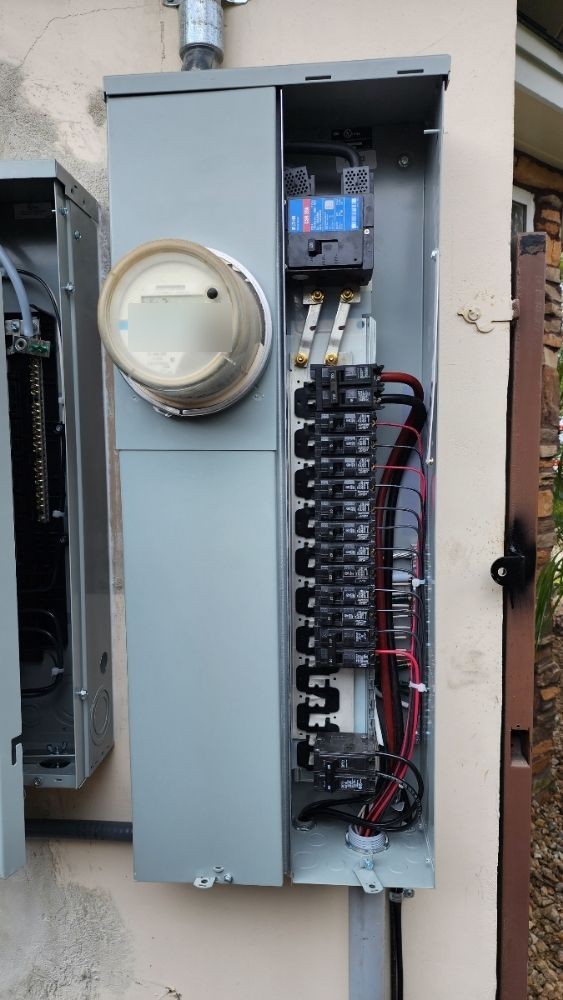
This weekCan point to the main service, a loose neutral or the panel. Worth an inspection soon.
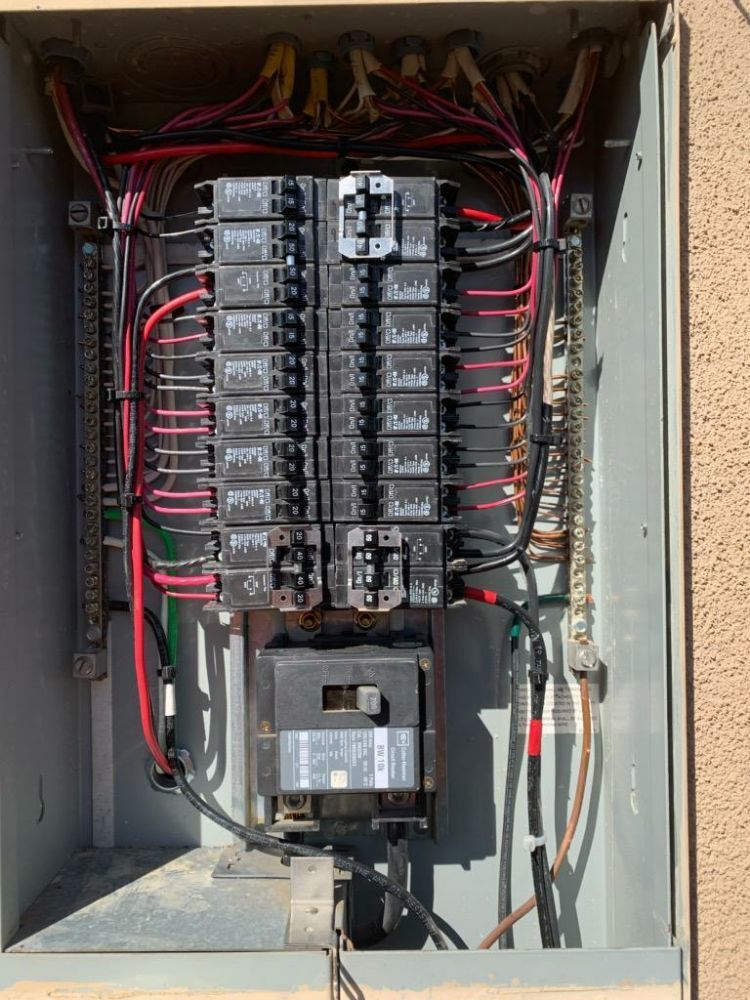
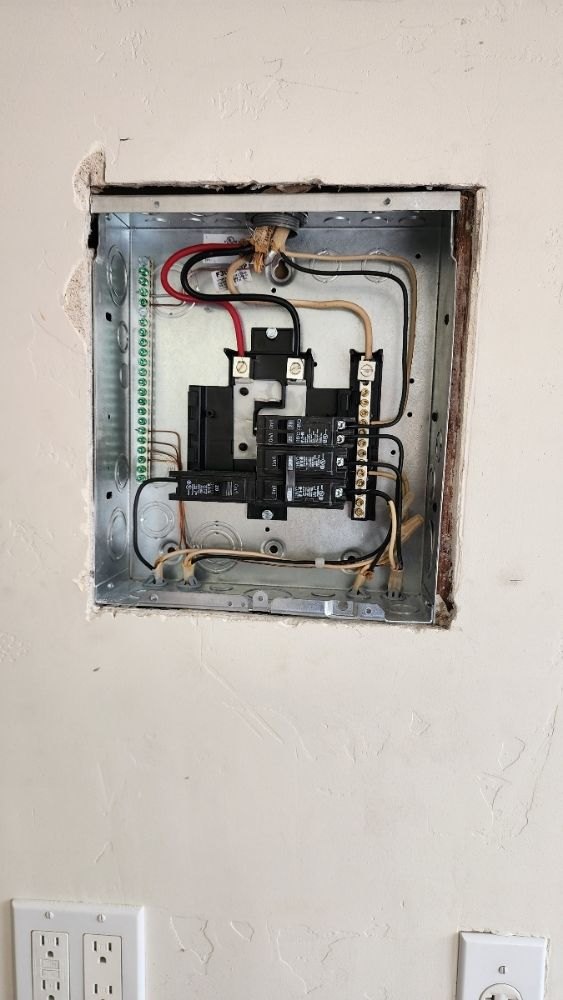
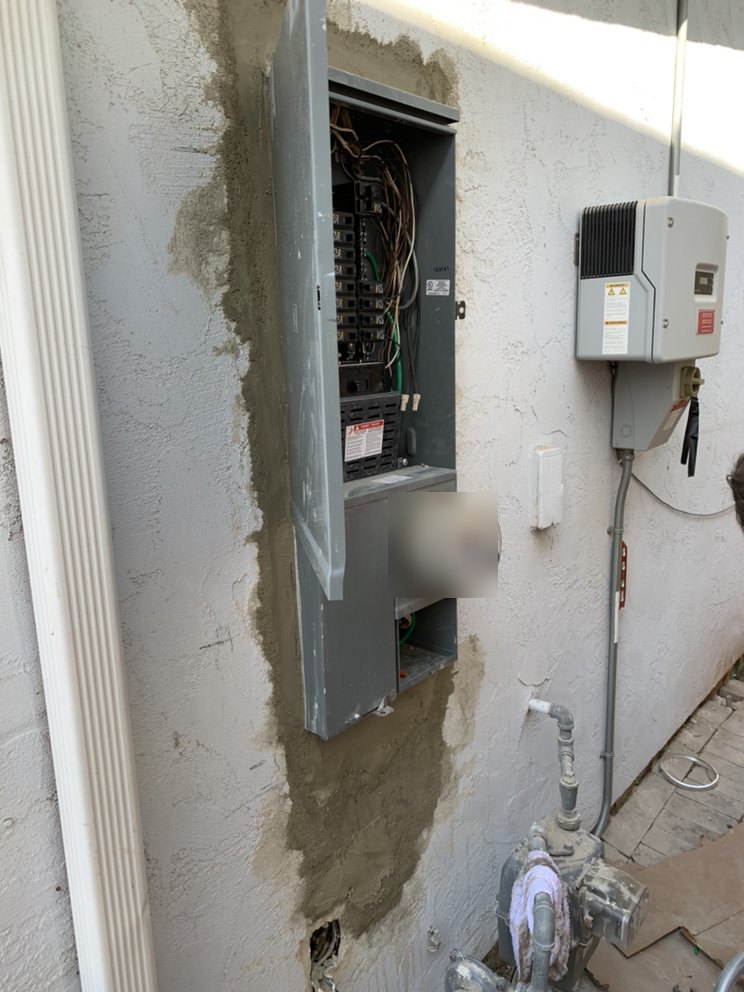
This weekPanels shouldn't buzz or feel warm. Some older brands have known failure problems.
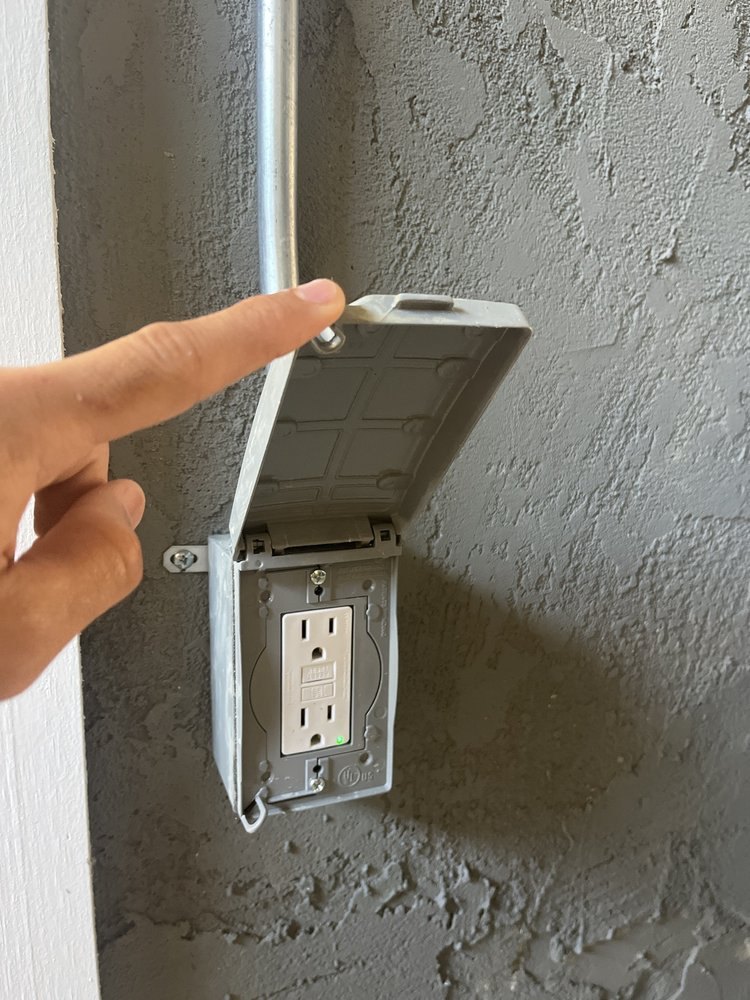
This weekCheck for a tripped GFCI (Test/Reset buttons, often in a kitchen, bath or garage). If that's not it, a wiring or breaker fault.
Plan itUngrounded or worn devices. Not an emergency, but worth replacing properly.
Plan itHow we troubleshoot
- Start with your description: what happens, when, and what else is running at the time.
- Test the circuit at the panel and at the devices, and isolate where the fault is: a breaker, a connection, a device, or the wiring between them.
- Fix the cause, not just the symptom. A breaker that keeps tripping is a message, not the problem.
- Check the related circuits and the panel while we're there, and tell you plainly what we found.
Common repairs
- Replacing failed or nuisance-tripping breakers.
- Repairing loose, burnt or corroded connections.
- Replacing damaged outlets, switches and GFCI devices.
- Correcting ungrounded or reverse-wired outlets.
- Repairing damaged or improperly spliced wiring.
- Adding a dedicated circuit for an overloaded one.