What you can call us for in Monterey Park
What we do in Monterey Park
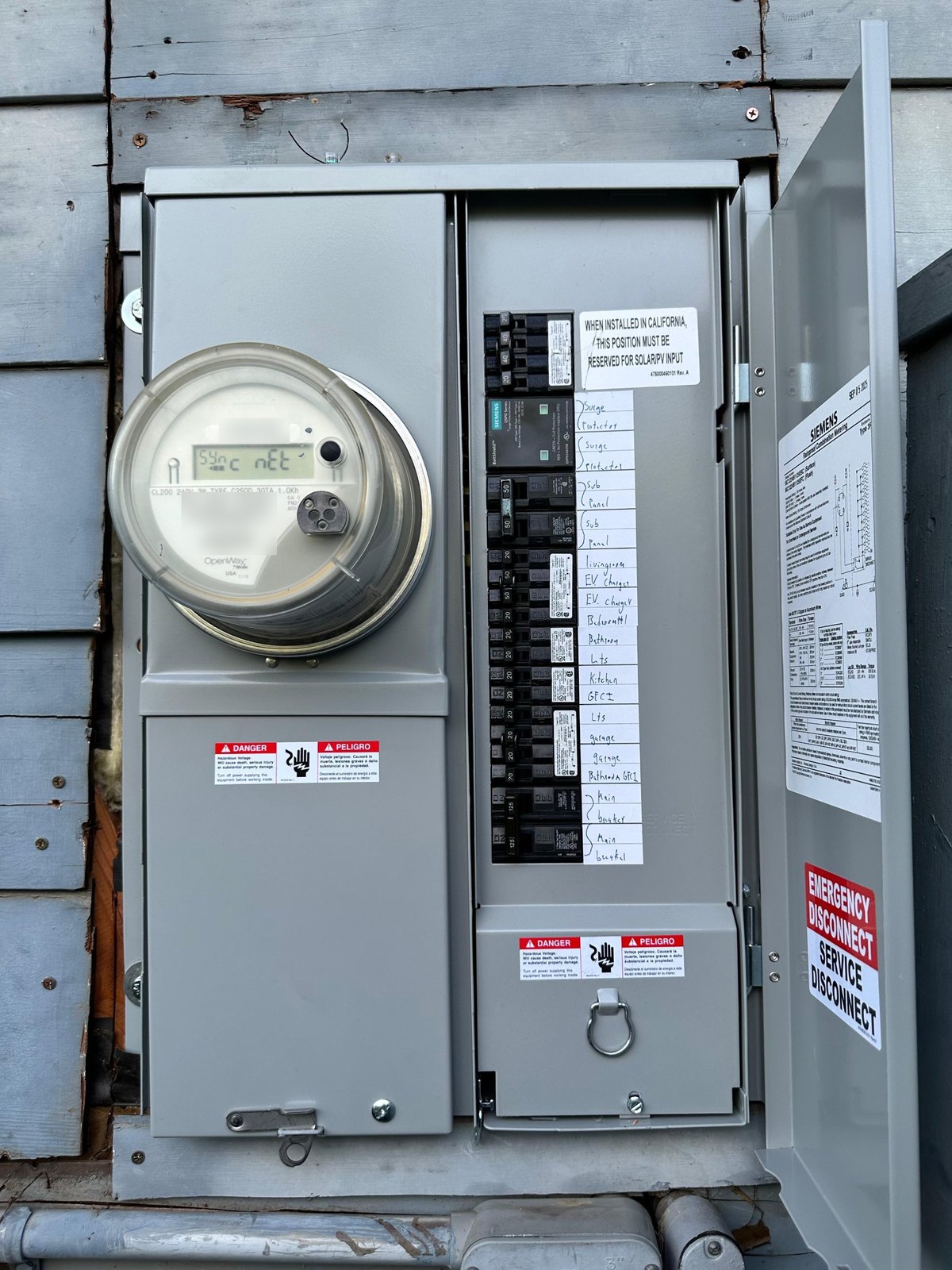
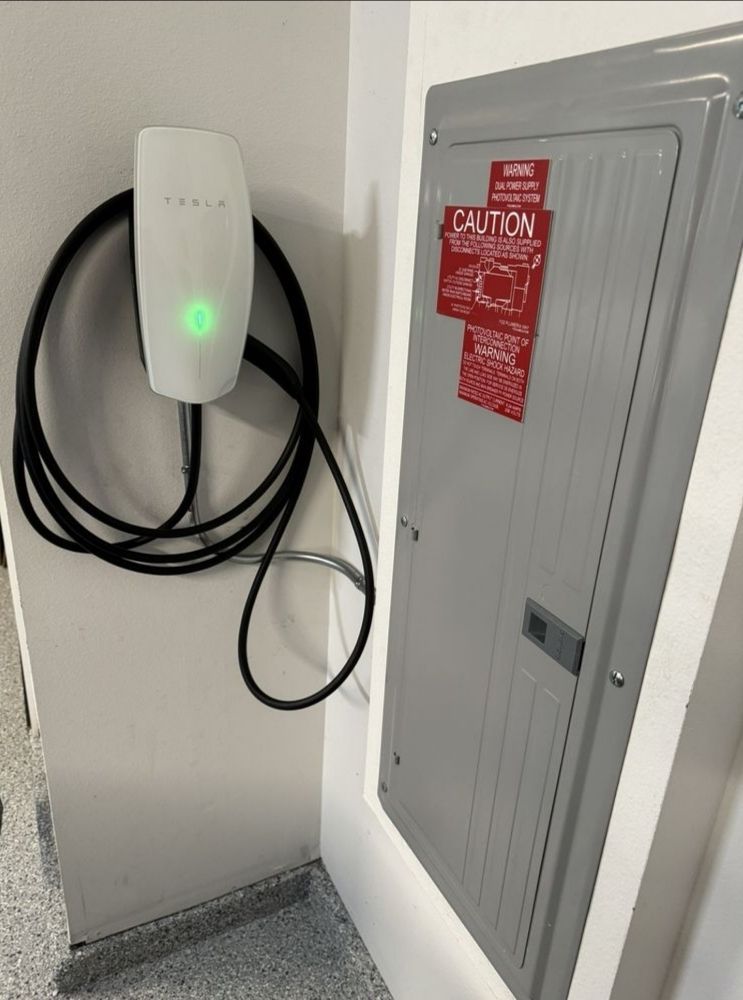
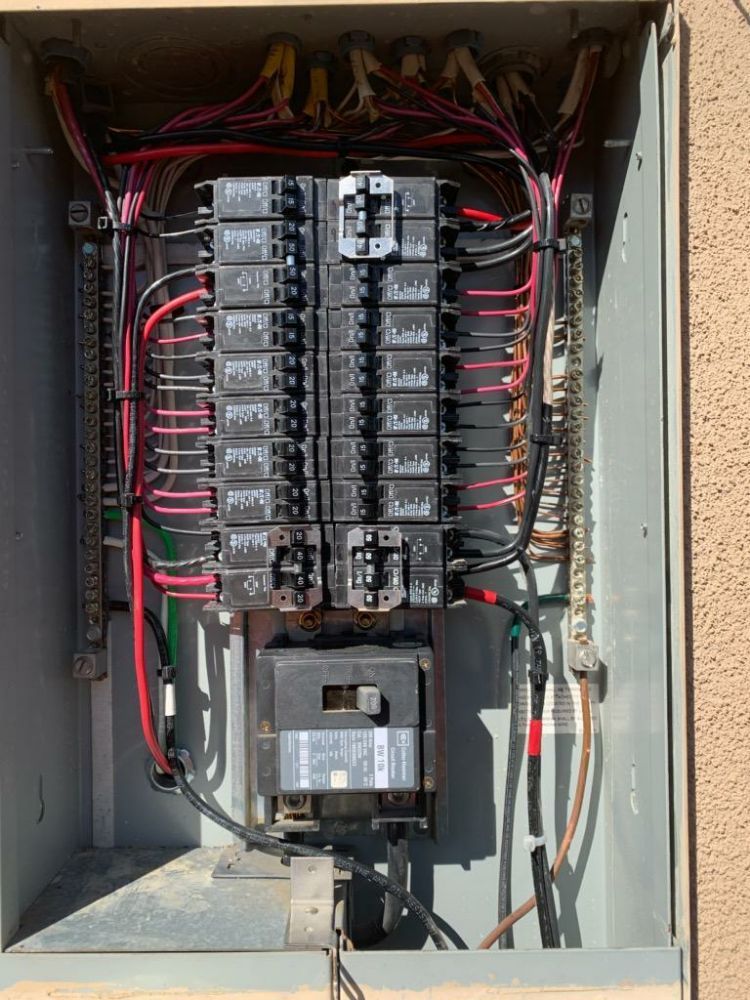
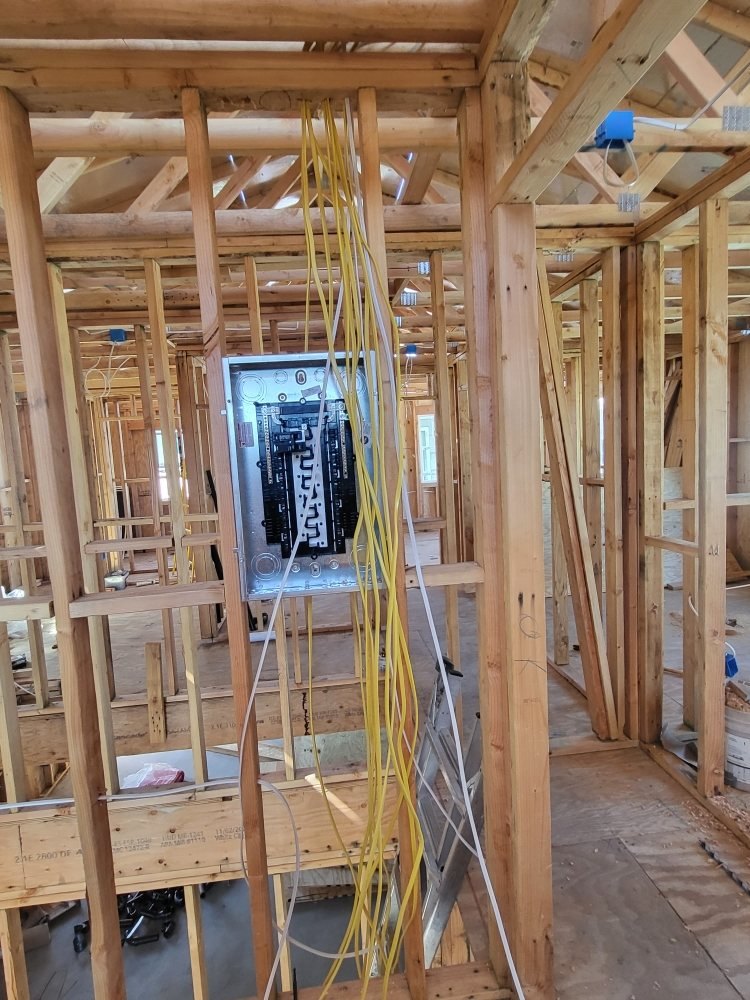
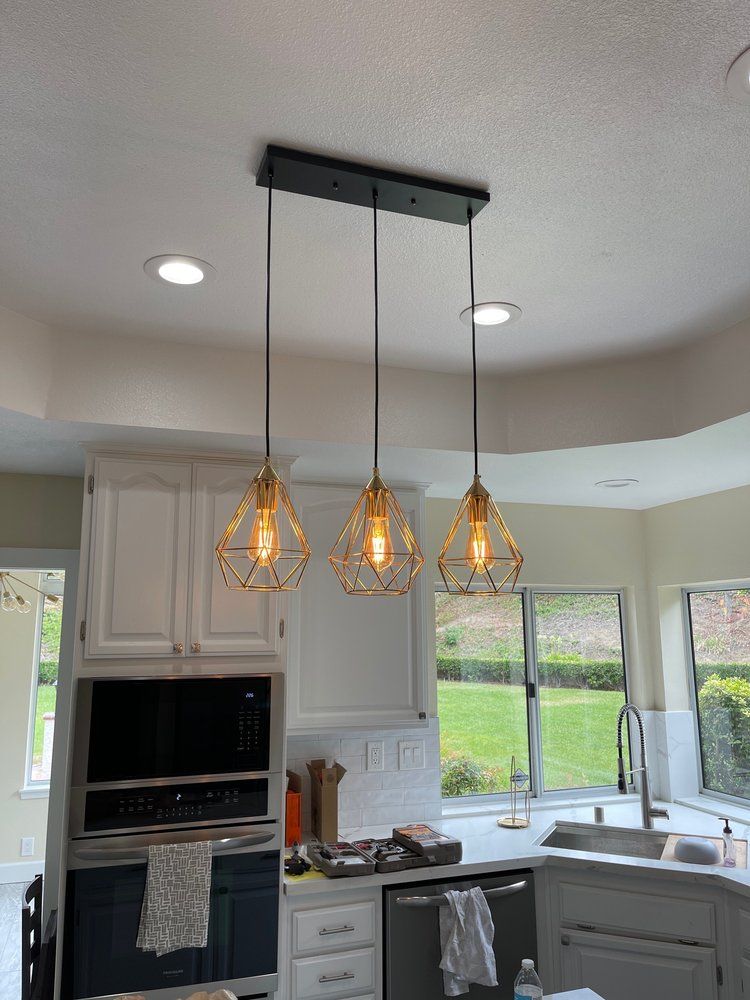
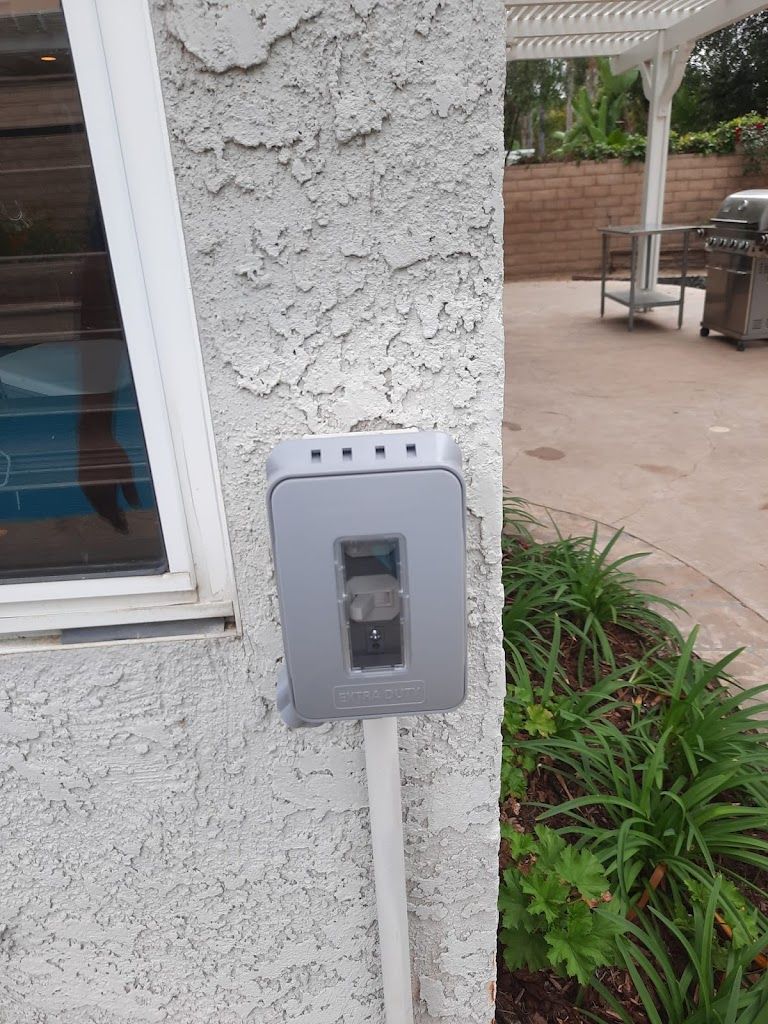
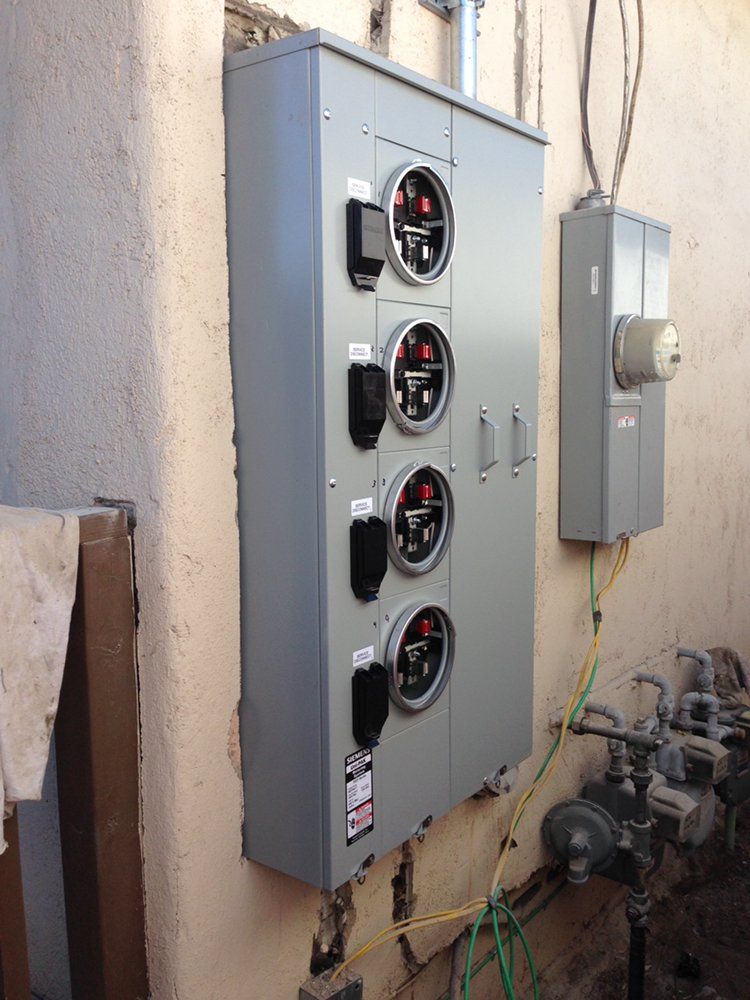
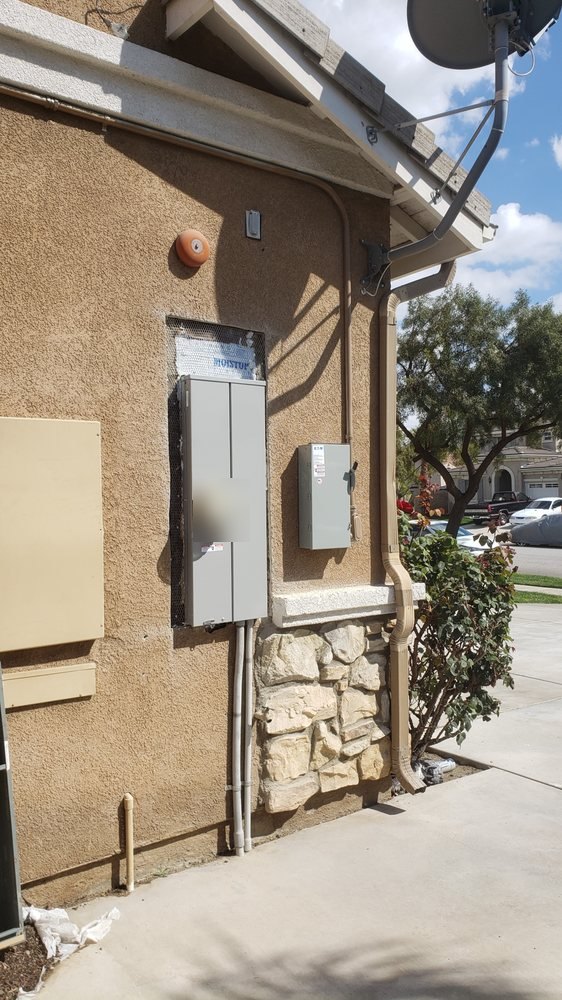
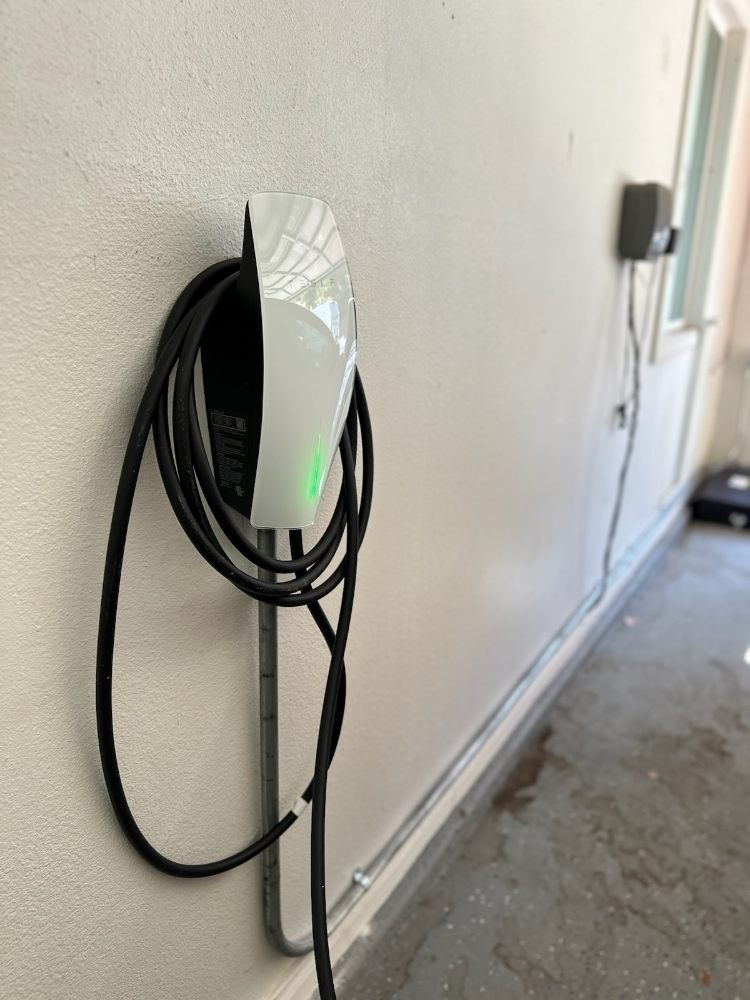
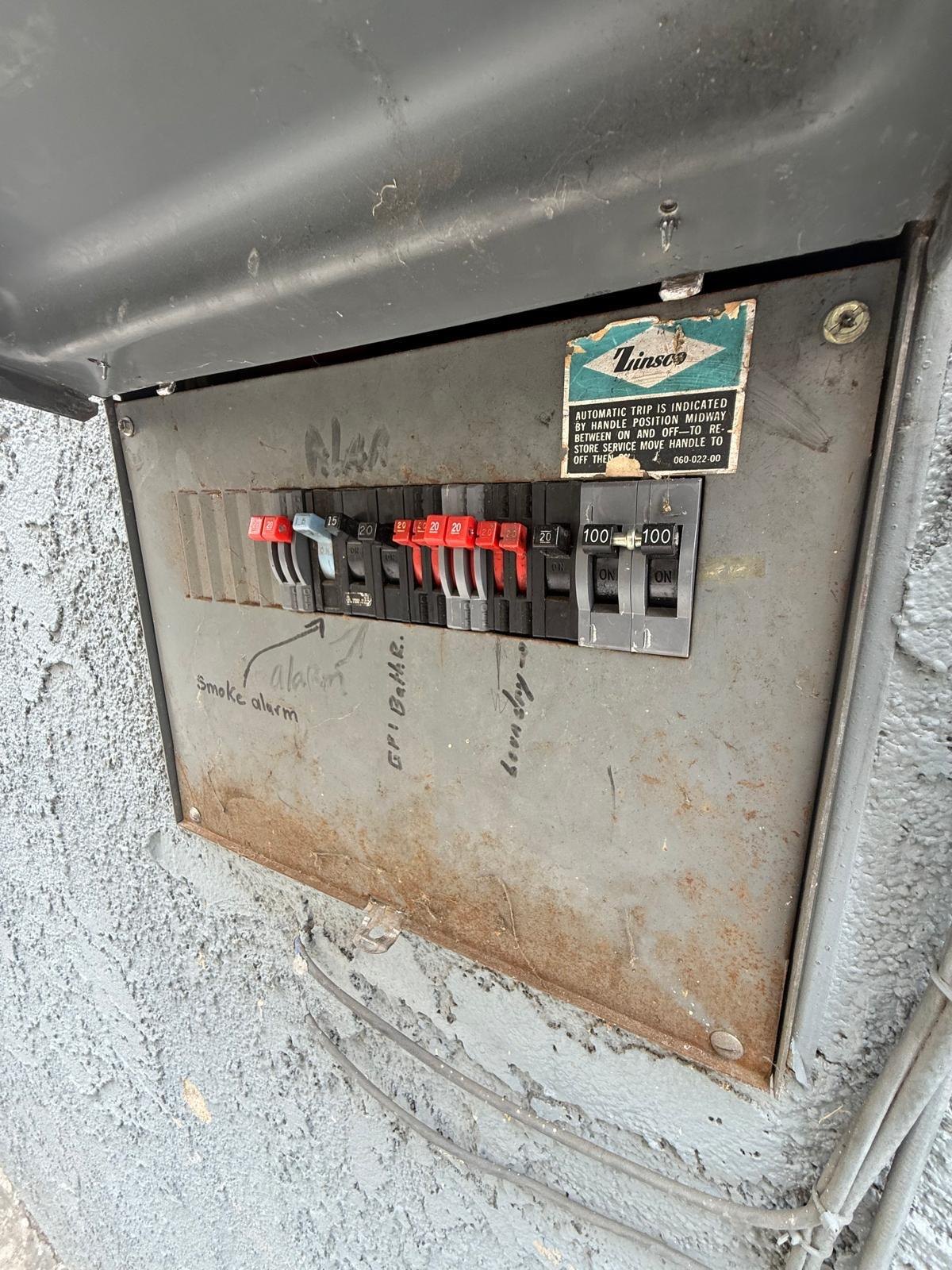
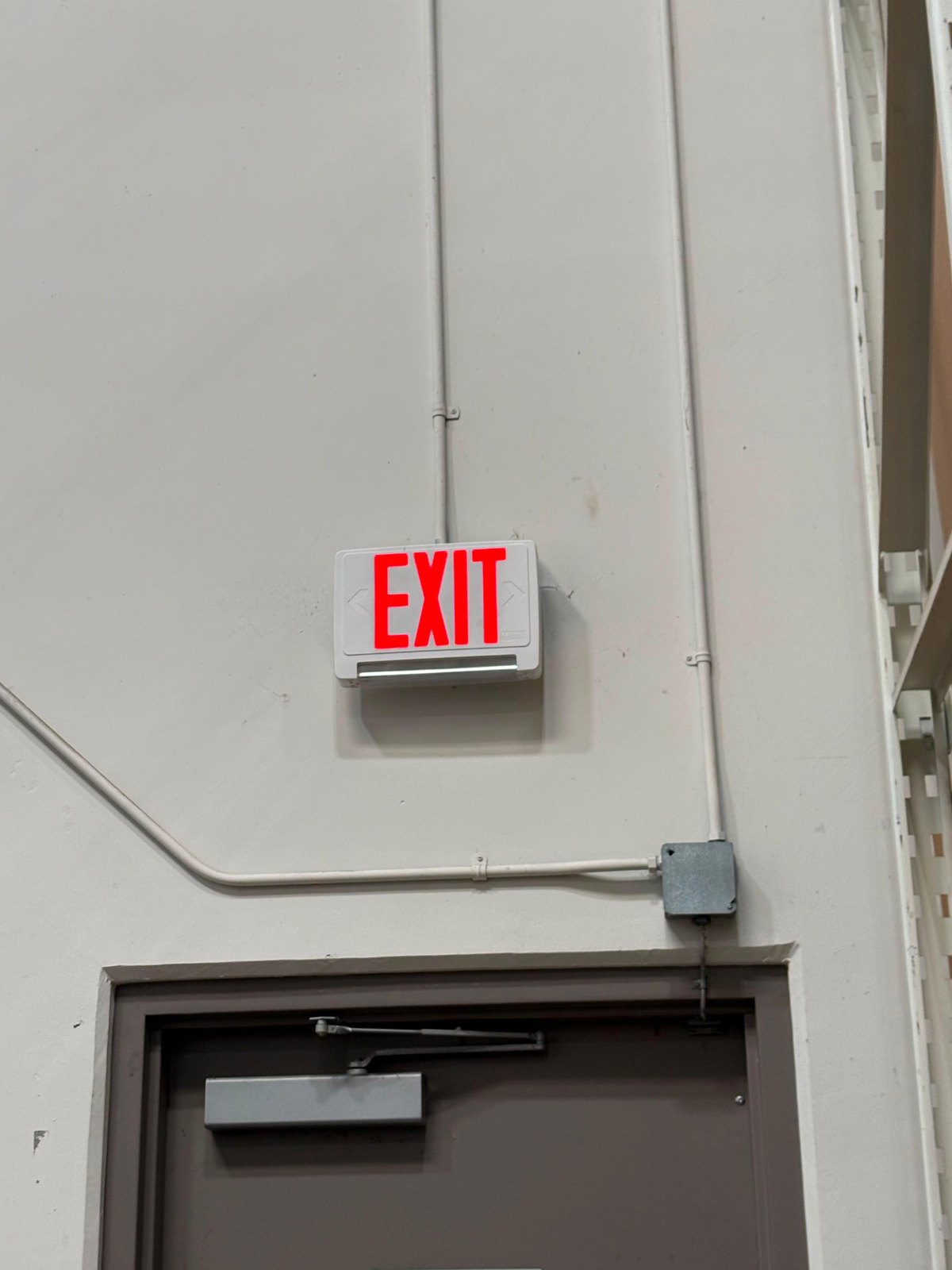
Everything we do in Monterey Park, with what each job usually involves here. The photos are from our own jobs.
Also: subpanels, dedicated circuits, 240-volt outlets for dryers and ranges, exterior and security lighting, hard-wired smoke alarms, and small repairs of every kind.
Working in Monterey Park
Monterey Park sits on hilly ground about seven miles east of downtown Los Angeles, and most of its houses date from a single burst of building after World War II. Between 1950 and 1960 the population climbed from 20,395 to 37,821, and the city's 2019 land use element notes that many of its single-family homes went up in the 1950s and 1960s. A service sized for that era's appliances is now being asked to carry central air, a car charger and sometimes an induction range, which is why load questions matter in so many Monterey Park homes.
The housing mix is closer to half and half than in many nearby suburbs. The 2020 Census counted 21,549 housing units, with 51.9% of occupied homes owned and 48.1% rented, and the city's own 2019 baseline put the split at roughly 12,200 single-unit and 8,700 multi-unit dwellings. Seven in ten residents age 5 and up speak a language other than English at home, according to the Census Bureau's 2020–2024 estimates; our office offers customer assistance in English and Spanish.
Monterey Park at a glance
- Permits
- City of Monterey Park Building & Safety Division, Community Development (City Hall, West Newmark Avenue)
- ZIP codes
- 91754, 91755 and 91756
- Jurisdiction
- An independent city, Los Angeles County
Areas we cover in Monterey Park
- Downtown at Garvey and Garfield
- Atlantic Boulevard
- Garvey Avenue corridor
- Monterey Highlands
- Ramona Acres area
- Near East Los Angeles College
- Monterey Pass Road
- Saturn Park
Good to know
- Incorporated in 1916; electrical permits come from the city's own Building & Safety Division, not LADBS or the county
- Southern California Edison delivers and, in most cases, supplies the power; Monterey Park is not on Clean Power Alliance's member list
- Population nearly doubled in the 1950s, from 20,395 to 37,821, as postwar subdivisions spread over the hills
- 2020 Census: 21,549 housing units, 51.9% owner-occupied
4.9★ from 232 Google reviews across our service area · Licensed C-10 #1100231 · Free estimates on eligible work
What's common in Monterey Park homes
Postwar tract houses on hillside streets, apartment and condo buildings, and dense commercial corridors along Atlantic, Garvey and Garfield shape most electrical work in Monterey Park.
- 1950s and 1960s houses. Homes from Monterey Park's main building boom were wired before air conditioning, electric cooking and car charging were normal. Houses of that age were commonly built with 100-amp or smaller services and two-prong receptacles, and some still have breaker brands that are no longer made. We read the panel's label and test circuits before quoting; our note on Federal Pacific and Zinsco panels explains why some brands get a closer look.
- Older pockets. Building here began well before the boom: Ramona Acres, north of Garvey and east of Garfield, was the area's first subdivision in 1906, and the 1920s Midwick View Estates plan, ended by the Depression, left landmarks such as the Cascades at Heritage Falls Park. Any house surviving from those early decades deserves a careful look at its wiring before new loads are added.
- Apartments, condos and rentals. With close to half of households renting and thousands of multi-unit dwellings, the electrical questions are often building-level ones for owners and managers: a crowded meter bank, a unit that trips its breaker every evening, or chargers wanted in a shared garage. We look at how each unit is fed before suggesting changes.
- Downtown and the corridors. The Chinese-American business district centred on Garvey and Garfield, which writers have called the first suburban Chinatown, plus Atlantic Boulevard and Atlantic Times Square, packs restaurants, bakeries and shops into a few busy corridors. Commercial kitchens bring heavy cooking loads, hood and refrigeration circuits, and signage.
- Business parks on the west side. The land use element describes warehousing, trucking and auto repair along Monterey Pass Road, plans Saturn Park as a business park for office and research uses, and says some older industrial buildings there and south of Davidson Drive could be converted to creative offices, research space or breweries. Conversions like that can call for new panels, lighting and three-phase feeders.
- Around East Los Angeles College. East Los Angeles College, founded in 1945, is in Monterey Park. Rentals near a campus can carry heavy plug loads, such as space heaters, cooking appliances and electronics, on circuits sized decades ago, which is worth checking before anything is added.
Permits and power in Monterey Park
Monterey Park (ZIP codes 91754, 91755 and 91756) has been its own city since May 1916, so it runs its own building department. Electrical permits, plan check and inspections go through the Building & Safety Division of Community Development at City Hall on West Newmark Avenue. The city's permit page is plain about scope: an electrical permit is required to install, alter, repair, relocate or remove a lighting fixture and similar equipment, so more than panel swaps need one.
How the counter works now. Since November 2025 the Community Development counter has taken walk-ins in the morning and appointments in the afternoon, Monday through Thursday, and the city says all plan submittals are electronic. Inspections are requested through the city's Citizen Access portal, which also tracks plan review.
Plans for larger jobs. A Building & Safety plan-check bulletin asks for a single-line diagram, wire and conduit sizes and service and feeder load calculations on electrical plans, along with energy compliance forms for new lighting. That level of detail applies mostly to commercial tenant work and bigger residential projects; a routine circuit or fixture change is far simpler. We coordinate what the city needs with the scope of the job.
Edison, without a second supplier. Clean Power Alliance's board lists 38 member agencies, among them Alhambra next door and Los Angeles County for its unincorporated areas, but not Monterey Park. So a Monterey Park bill normally shows SCE alone, for delivery and for generation. Edison owns the poles, transformers and meters; a city Police Department alert from a 2018 outage, for example, told residents that SCE was working to restore power. A panel upgrade or meter relocation is requested through SCE's Building, Renovation and Project Planning Portal, while removing or relocating Edison equipment is arranged with SCE by phone. We coordinate the Edison side with the city inspection so the meter is not left waiting.
Hills and lot layout. The city's land use element describes the hilly terrain that sets Monterey Park apart from its neighbours, and historically the Garvey Hills and Monterey Hills divided the north and south halves of town. On a sloped lot the meter can sit low on a retaining wall or in a lower carport while the garage, where a charger would go, is uphill or down a flight of steps. The route between them can shape the cost of a feeder more than the charger itself.
The permits and utilities guide explains the whole picture for the three counties we serve.
Around Monterey Park
Monterey Park's borders change who permits the work and who supplies the power. Alhambra, to the north, has its own Building Division and is a Clean Power Alliance member, so its bills show CPA as the default supplier with SCE delivering. Rosemead, to the northeast, issues permits through its own Building and Safety Division and, like Monterey Park, is not on CPA's list. Montebello, to the south, is another separate city in Edison territory that is not a CPA member. To the west and southwest, unincorporated East Los Angeles and the hillside community of City Terrace take building permits from Los Angeles County, and as unincorporated county land they fall within CPA's service area. El Sereno, which borders Monterey Park near its northwest corner and Cal State LA, belongs to the City of Los Angeles, where LADBS issues electrical permits and LADWP is the utility. San Gabriel, a little farther north beyond Alhambra and Rosemead, is a separate city and also not on CPA's list.
See the full list of areas we cover across Los Angeles, Orange and Ventura counties.