Panel upgrades in Winnetka
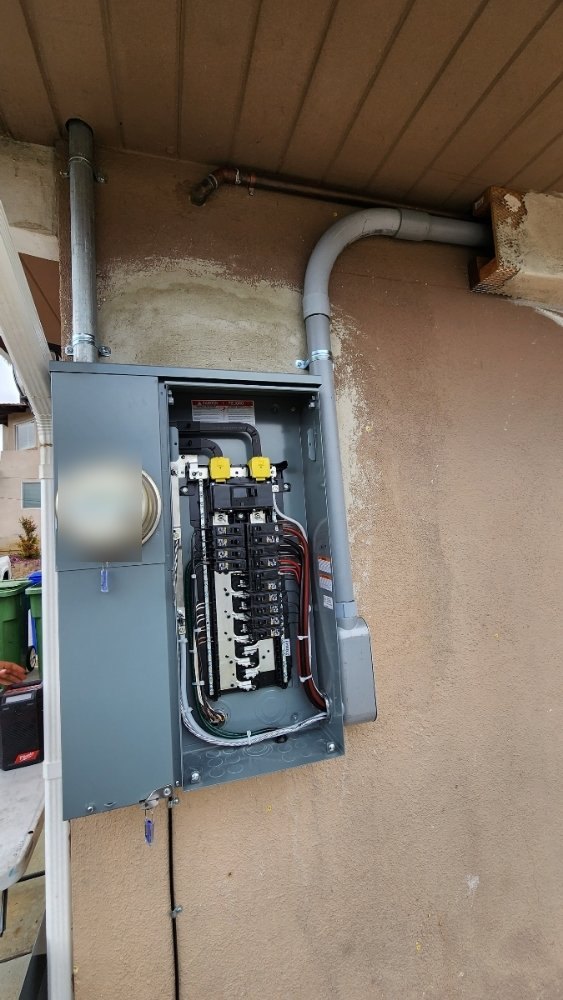
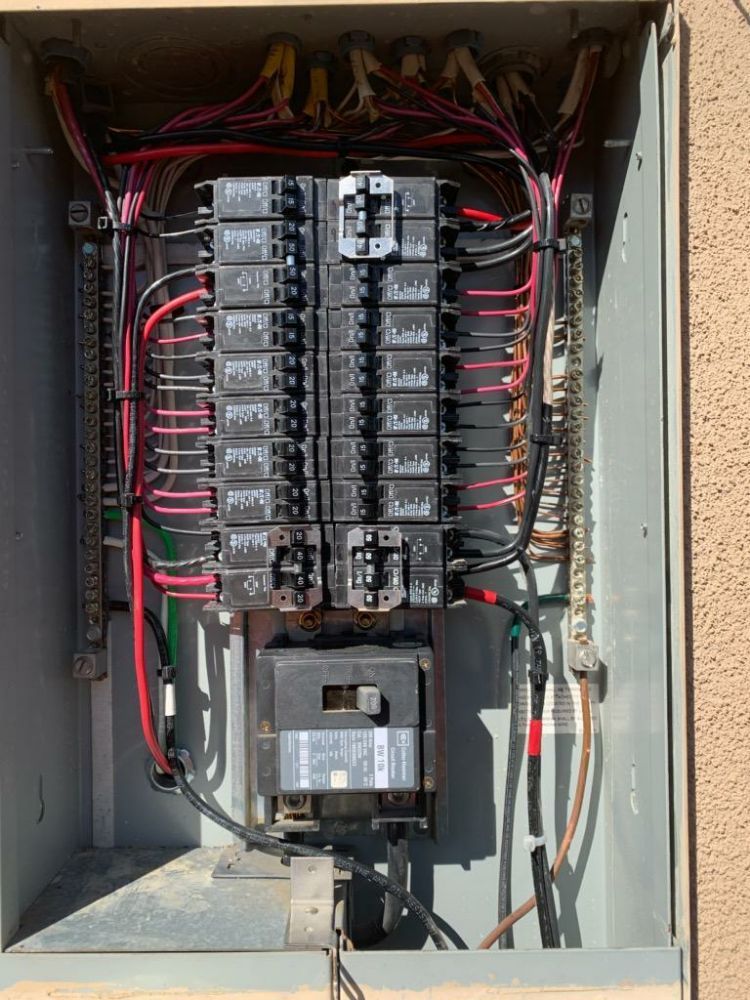
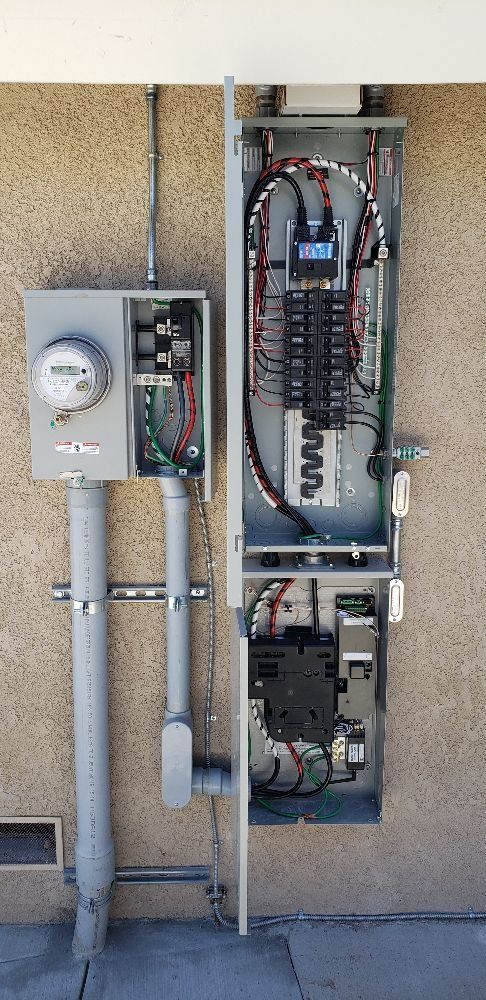
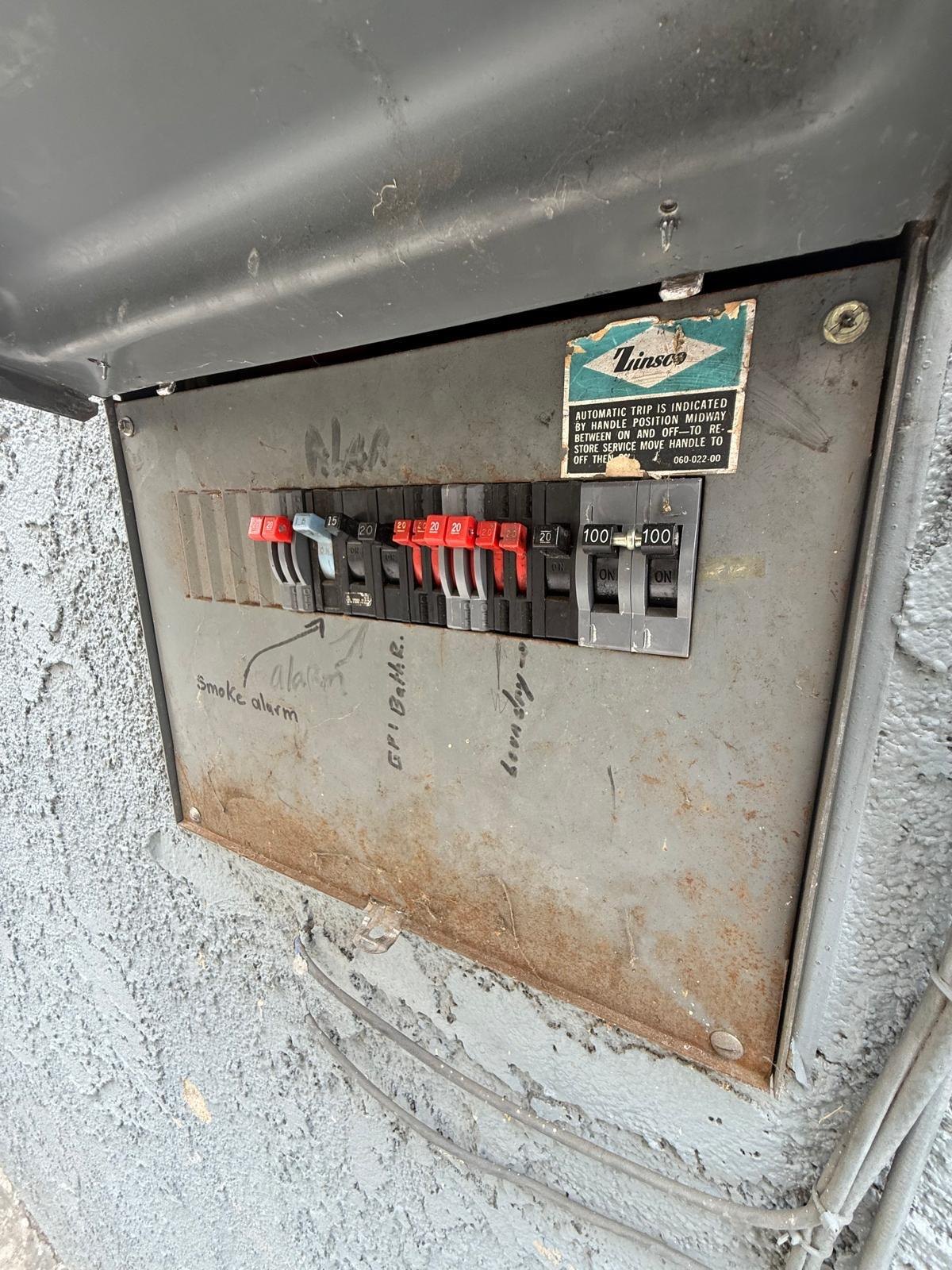
Replacing the original service on a 1950s or 60s Winnetka house, sized for the back-lot garage, workshop or ADU as well as the house itself, with LADWP's meter spot requested at the start.

Licensed electricians for Winnetka's 1950s and 60s houses, its deep lots left over from the old poultry colony, and its rented homes, between De Soto and Corbin avenues in the west San Fernando Valley. Free estimates on eligible work.
Small repairs welcome · Free estimates on eligible work · Licensed C-10 #1100231Call (844) 430-7681
Everything we do in Winnetka, with what each job usually involves here. The photos are from our own jobs.
Replacing the original service on a 1950s or 60s Winnetka house, sized for the back-lot garage, workshop or ADU as well as the house itself, with LADWP's meter spot requested at the start.
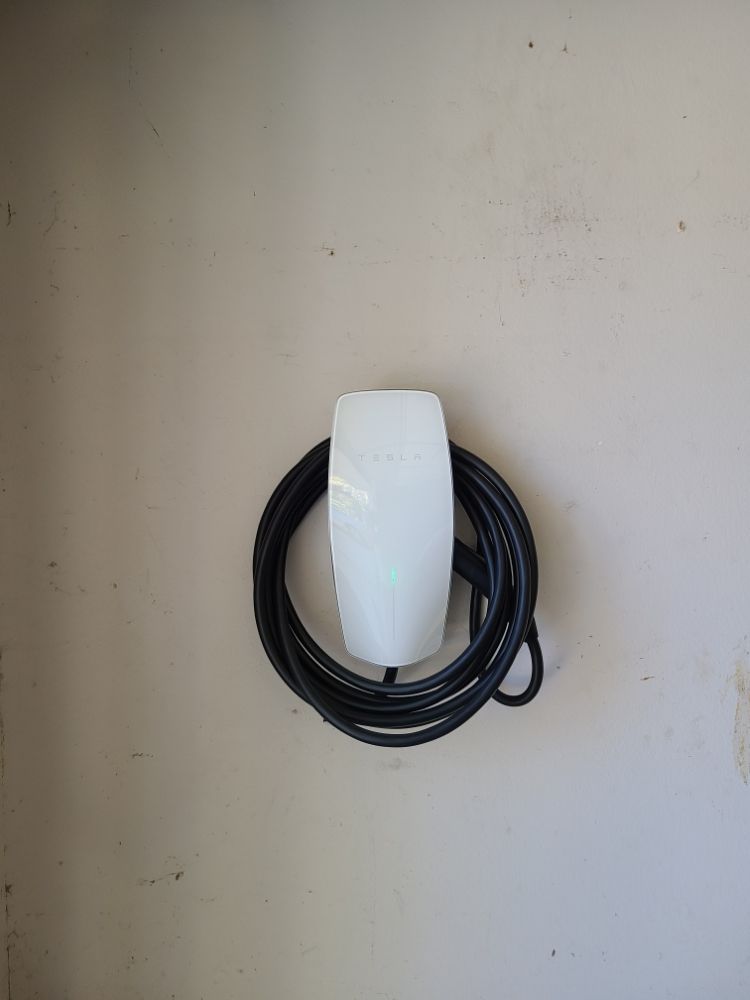
Level 2 chargers in garages and down long driveways, with the licensed-electrician invoice details and the finaled LADBS permit that LADWP's rebate application asks for.
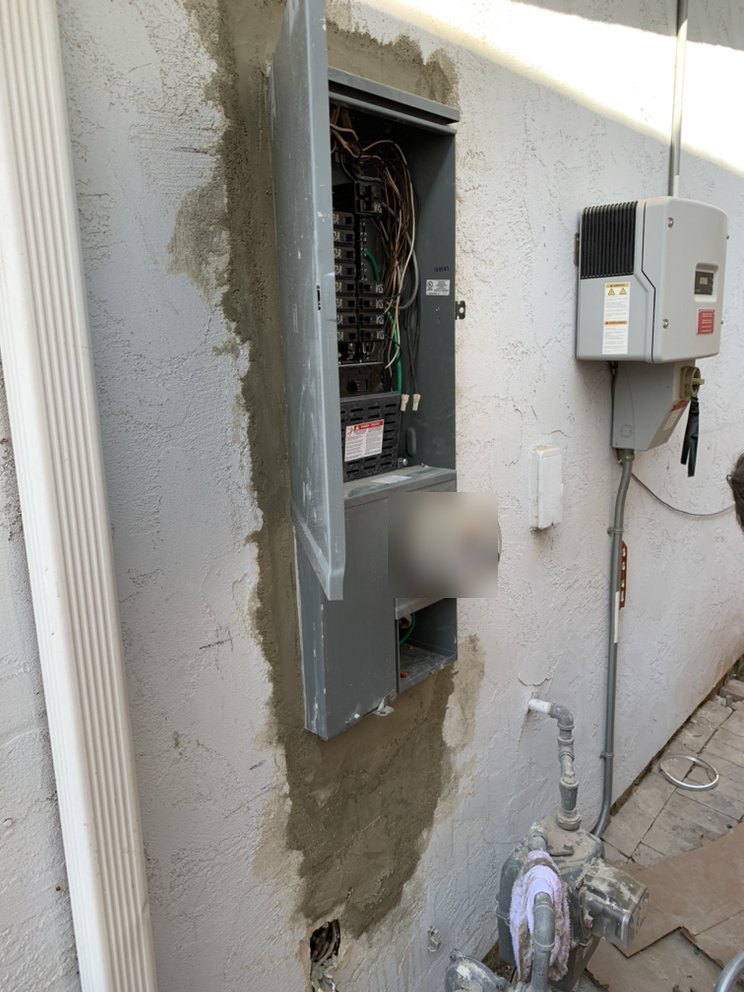
Tracing dead outlets and tripping breakers in back buildings fed by old buried runs, and faults in colony-era houses whose wiring has been extended many times.
More on electrical repair & troubleshootingCall (844) 430-7681
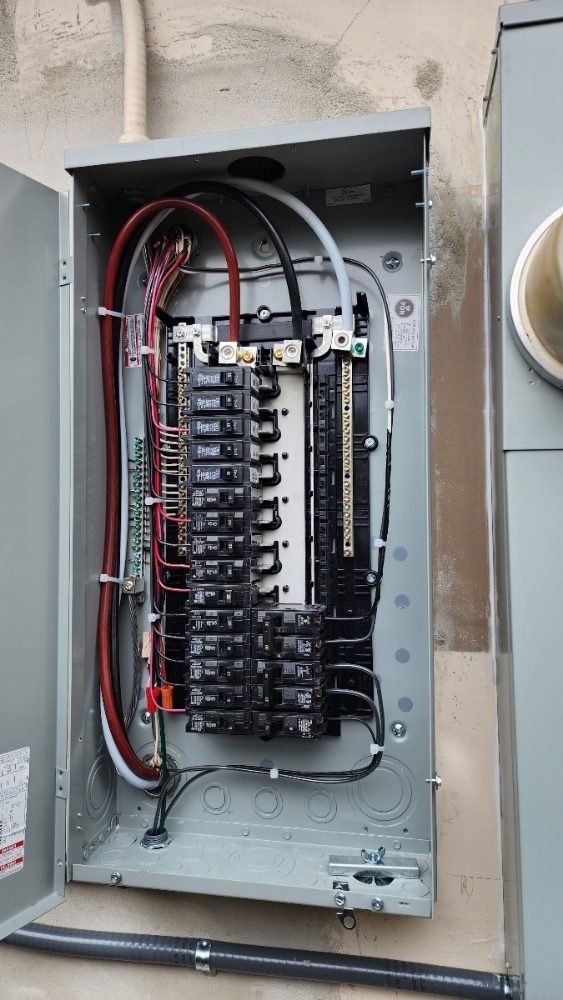
Replacing ungrounded two-wire circuits in postwar tract houses that still have them, and careful room-by-room rewiring for the few houses that survive from the 1920s and early 30s.
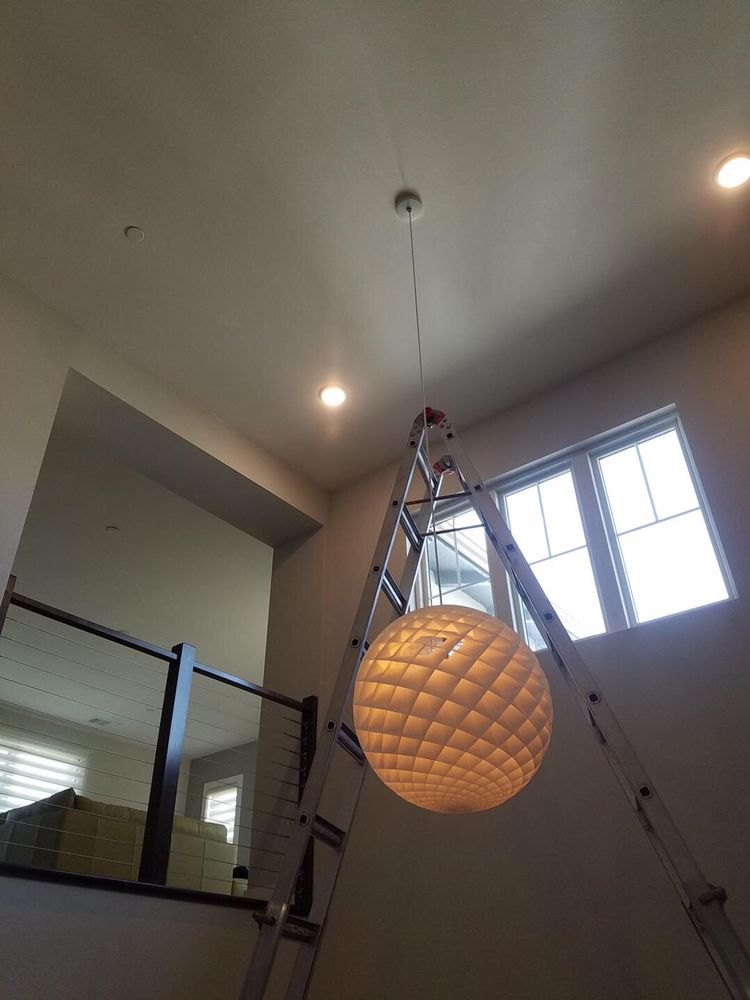
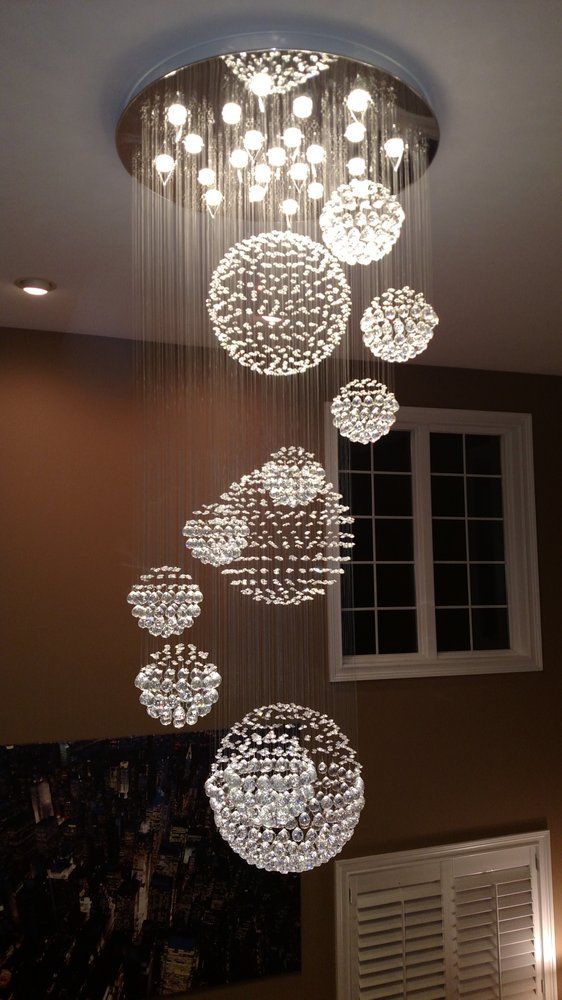
Driveway, yard and security lighting for deep lots, plus recessed lighting and ceiling fans for remodels of 1950s and 60s houses.
Tool circuits in detached garages and workshops, GFCI protection for outdoor outlets across big yards, and 240-volt circuits for dryers, ranges and heat pumps.
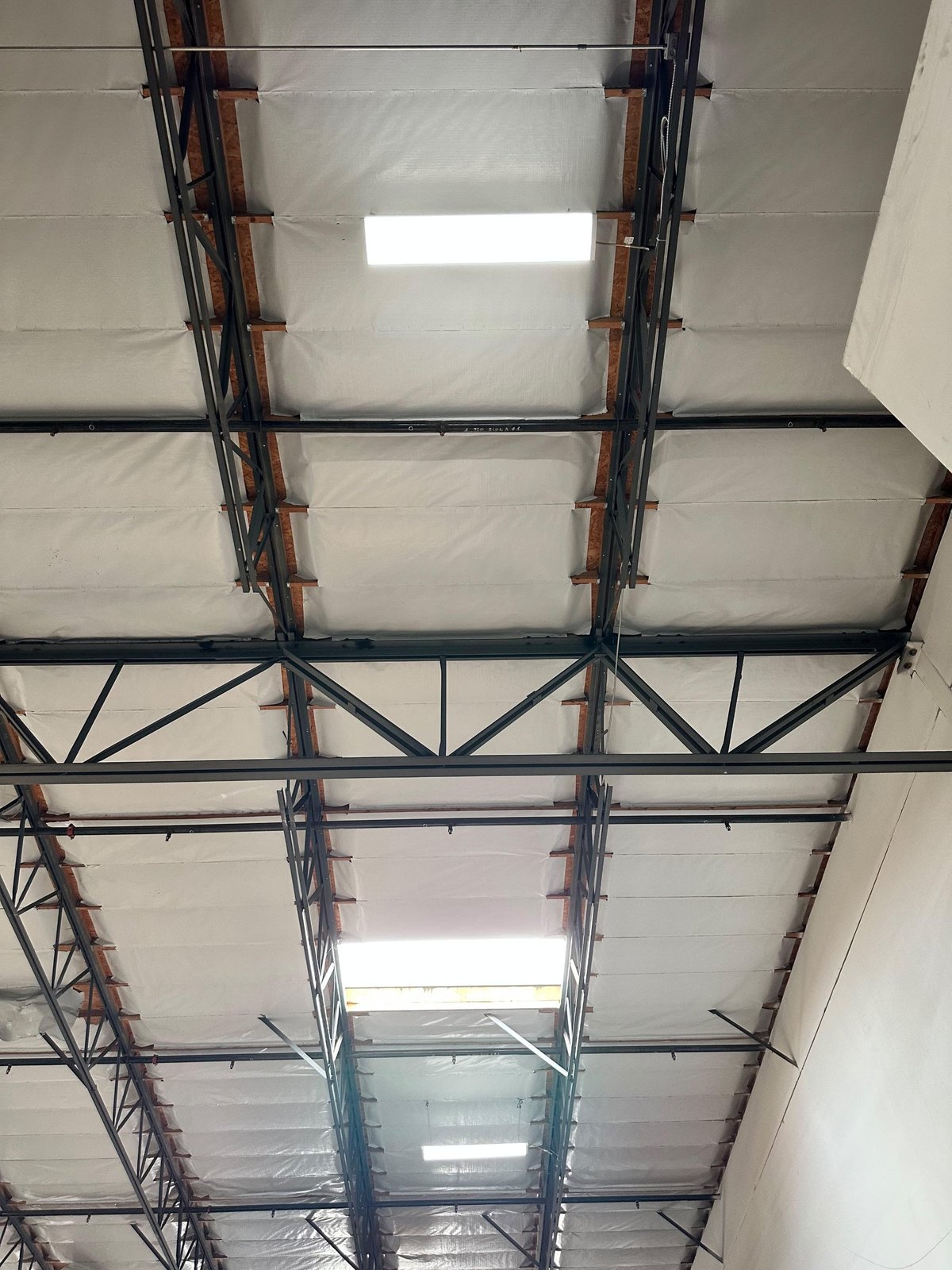
Lighting, tenant improvements and panel work for shops and offices on Winnetka's boulevards, and meter banks and house panels for owners of rental buildings.
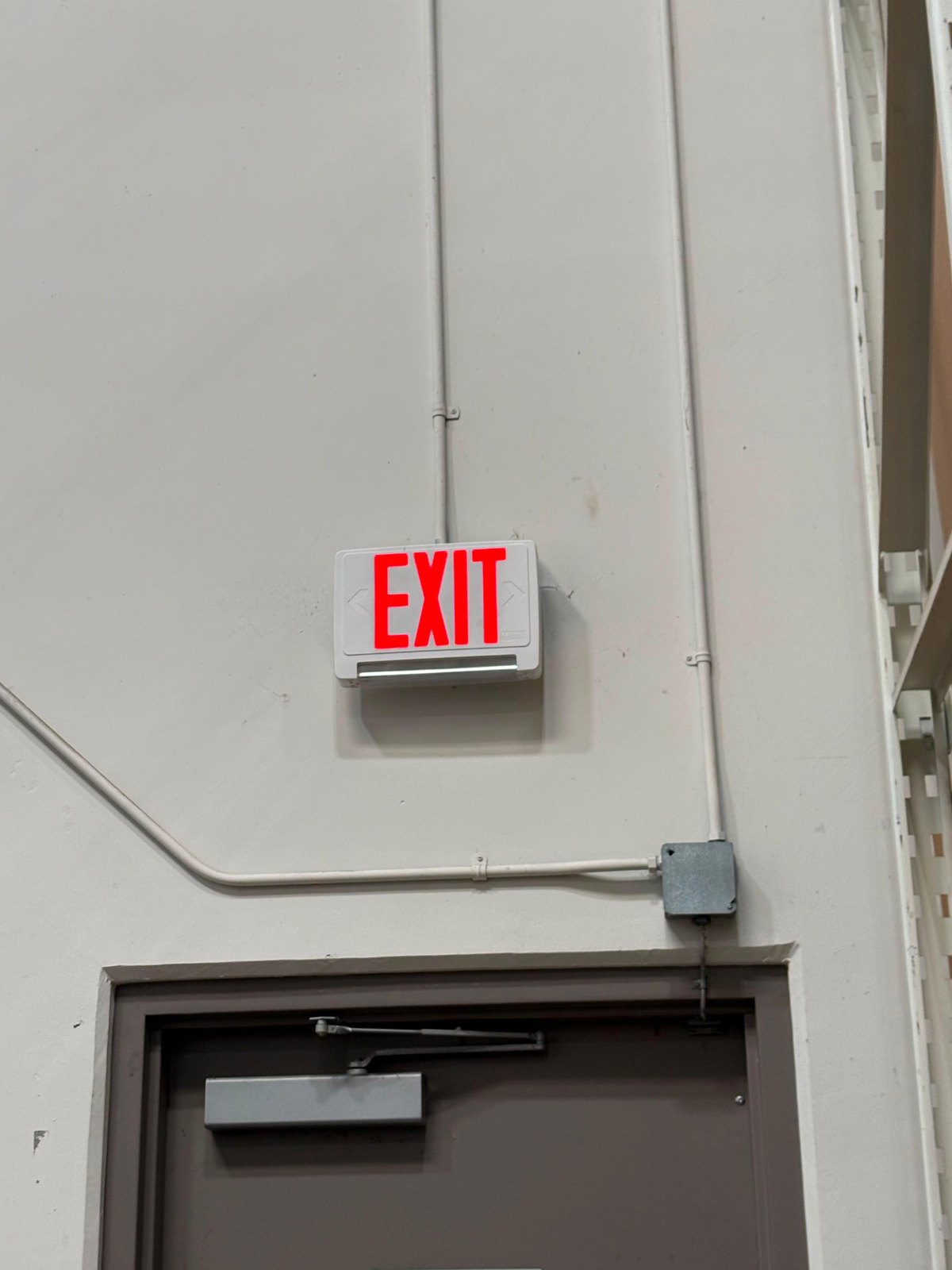
Also: subpanels, dedicated circuits, 240-volt outlets for dryers and ranges, exterior and security lighting, hard-wired smoke alarms, and small repairs of every kind.
Need an electrician in Winnetka? Call now, or send the form and we'll call you back to set a time for an on-site estimate.
Call (844) 430-7681Request an estimateInfinity Electrical Inc. (CSLB #1100231) is a licensed electrical contractor doing panel upgrades, EV charger circuits, troubleshooting, rewiring and new circuits in Winnetka, the City of Los Angeles neighborhood that runs from De Soto Avenue east to Corbin Avenue and from Roscoe Boulevard south to Victory Boulevard. Because Winnetka is inside the city, electrical permits come from LADBS and the meter and the power belong to LADWP.
The neighborhood has an unusual starting point for a Valley suburb. According to the city's historic resources survey for this part of the Valley, Charles Weeks set up a poultry colony here in 1922 on about 600 acres of open land, divided into one-acre parcels, each with a single-family house, a shed for 2,500 hens and a garden to grow feed. The colony ran its own egg co-op, warehouse and packing plant, and at its height around 500 families supported themselves by selling eggs. The Depression broke it up, and it was disbanded by 1934.
Most of those acre parcels were later subdivided, and the survey describes this whole corner of the Valley as developed mainly in the 1950s and 60s. The city's 2013 survey recorded a few surviving colony houses on streets such as Stagg and Strathern, several with their old chicken coops, and CSUN's Special Collections notes that many Winnetka houses still sit on large parcels of land. For an electrician that combination shapes the work: postwar tract houses with modest original services, deep lots with a garage, workshop or guest unit at the far end, and a handful of houses old enough to have been wired, and rewired, for nearly a century.
Areas we cover in Winnetka
Good to know
4.9★ from 232 Google reviews across our service area · Licensed C-10 #1100231 · Free estimates on eligible work
Winnetka's housing comes in layers: what survives of the 1920s colony, the postwar houses that filled in the old acre lots, and a large stock of rented homes. Census estimates for 2020–2024 count about 15,300 housing units in ZIP 91306, which also takes in part of Canoga Park, with roughly 56% of occupied homes owned and 44% rented.
Winnetka's ZIP code is 91306, which also reaches into part of Canoga Park, and the Postal Service accepts Canoga Park as a name for it. That never changes the rules for a job, because both are City of Los Angeles neighborhoods with the same permit office and the same utility. The ground is flat, described in the city's survey as having no noticeable change in elevation, so there are no hillside lots to plan around.
Distance is the issue on deep lots. On the larger Winnetka parcels, the hard part of feeding a back building is often the length of the run rather than the size of the panel. A detached garage, a workshop, an old coop turned into a studio or a new accessory dwelling unit at the rear is usually supplied from a sub-panel fed from the house, through conduit in a trench across the yard, and the longer that run, the heavier the wire has to be to keep the voltage up at the far end. When the house service has nothing left to give, the back building waits on a service upgrade, and that is the point at which LADWP becomes part of the job.
ADUs from LADBS standard plans. LADBS runs a Standard Plan Program for accessory dwelling units: licensed architects and engineers submit designs, LADBS pre-approves them against the Building, Residential and Green Codes, and plan check takes less time as a result. City staff still review zoning and foundation requirements for each property. The program page says nothing about the electrical side, so the feeder or service for the unit, and whether the main panel can carry it, is still worked out for your lot. On a deep Winnetka lot that is worth settling before a plan is chosen, because the distance from the house affects the answer.
LADWP's home charger rebate. As LADWP's rebate FAQ read in October 2026, the program is open to customers with an active LADWP electric meter on a residential rate plan. The charger must be new, rated for 240-volt Level 2 charging, certified by a nationally recognized testing laboratory, able to connect to the internet over Wi-Fi or Ethernet, and fitted with a J1772 or J3400 connector. The application asks for a dated installation invoice from a licensed electrician showing the license number and the charger's make and model, and proof that the LADBS electrical permit has been finaled. Claims for a purchased charger are due within 12 months of the purchase date, and installation-only claims within six months of installation. LADWP says funds are first-come, first-served, so its current terms are worth checking before you buy.
LADWP also has a separate EV time-of-use rate for charging overnight on weekdays and all day on weekends, which needs a dedicated EV meter alongside the house meter. On an original 1950s or 60s service that second meter needs a place on the wall and room in the service equipment, so if that EV rate appeals to you, the time to plan for it is before the charger goes in, not after.
Permits come from the Los Angeles Department of Building and Safety (LADBS). A new circuit, an EV charger, a sub-panel or a panel replacement is permitted work, and LADBS will not send an inspector until the permit is issued. We pull it under our license and meet the inspector at the end.
Power comes from the Los Angeles Department of Water and Power (LADWP), not Southern California Edison. For repairs, lighting, new outlets and a charger that fits on the existing panel, LADWP is not involved. For a panel or service upgrade it is: the job starts with LADWP's free meter spot, where an Electric Service Representative visits within five to fifteen business days, confirms where the new equipment may go and leaves a sketch at the job (single-family services up to 320 amps can be requested online). When only the meter needs setting, LADWP says that generally happens within ten working days. If the existing LADWP service can carry the new load there are generally no LADWP charges; work in the street, on a transformer or on the lines can add cost and time, and we find that out before you commit.
The permits and utilities guide explains the whole picture for the three counties we serve.
Canoga Park lies across De Soto Avenue to the west and Reseda across Corbin Avenue to the east. South across Victory Boulevard is Woodland Hills, home of Pierce College on Winnetka Avenue, and Chatsworth lies to the north and Northridge to the northeast. West Hills and Tarzana are a short drive away. All seven are City of Los Angeles neighborhoods, so LADBS permits and LADWP power carry straight across every boundary.
See the full list of areas we cover across Los Angeles, Orange and Ventura counties.
No phone quotes and no guessing. A written estimate after we've seen the job, then permitted, inspected work.
Call or send the form. A photo of the panel or the problem helps us come prepared.
We come to your home or business and look at the panel, wiring or site.
Scope, price and timeline in writing before you decide anything.
We pull the permit, coordinate your utility when needed, and finish with the inspection.
Neither: Winnetka is a neighborhood of the City of Los Angeles, and so is Canoga Park next door. The Postal Service accepts both names for ZIP 91306, but for electrical work that makes no difference, because permits come from LADBS and power from LADWP on either side. City Planning places Winnetka between De Soto and Corbin avenues, from Roscoe Boulevard to Victory Boulevard.
Usually, yes, with a properly sized feeder from the house to a sub-panel in the back building. On a deep Winnetka lot the distance often decides the wire size, and the trench has to find a route around trees, irrigation and other buried lines, so we measure it on the site visit. If the house service has no capacity to spare, a service upgrade comes first.
It could be, if it dates from the 1920s or early 1930s, since the colony's one-acre parcels were laid out across what became Winnetka. The city's historic survey recorded several surviving colony houses, some still with their chicken coops, on streets such as Stagg and Strathern. What matters for the wiring is the age and the history of additions, so we open the panel and a few boxes and tell you what's actually there.
Not for your lot: LADBS describes the standard plans as pre-approved for the Building, Residential and Green Codes, with zoning and foundations reviewed for each property, and the program page doesn't address the electrical service to the unit. Whether the ADU can run from a sub-panel off the house or needs more capacity at the main service depends on your panel and the length of the run. A load calculation before you pick a plan avoids surprises later.
Possibly, if your account has an active LADWP electric meter on a residential rate and the charger meets LADWP's rules, including being new, Level 2 and network-capable. The application asks for a licensed electrician's installation invoice with the license number and an LADBS electrical permit that has passed final inspection. Funding is first-come, first-served and terms change, so check LADWP's rebate FAQ before buying; see also EV charger installation.
Sometimes, but only a load calculation can say, because a house from that era that has since gained central air or electric appliances may have little capacity left. A lower-amperage charger or load management can fit some panels, while others need a service upgrade first, which starts with LADWP's meter spot. The guide to EV chargers on a 100-amp panel explains the options.
Call now, or send the form and we'll call you back to schedule an on-site estimate.