
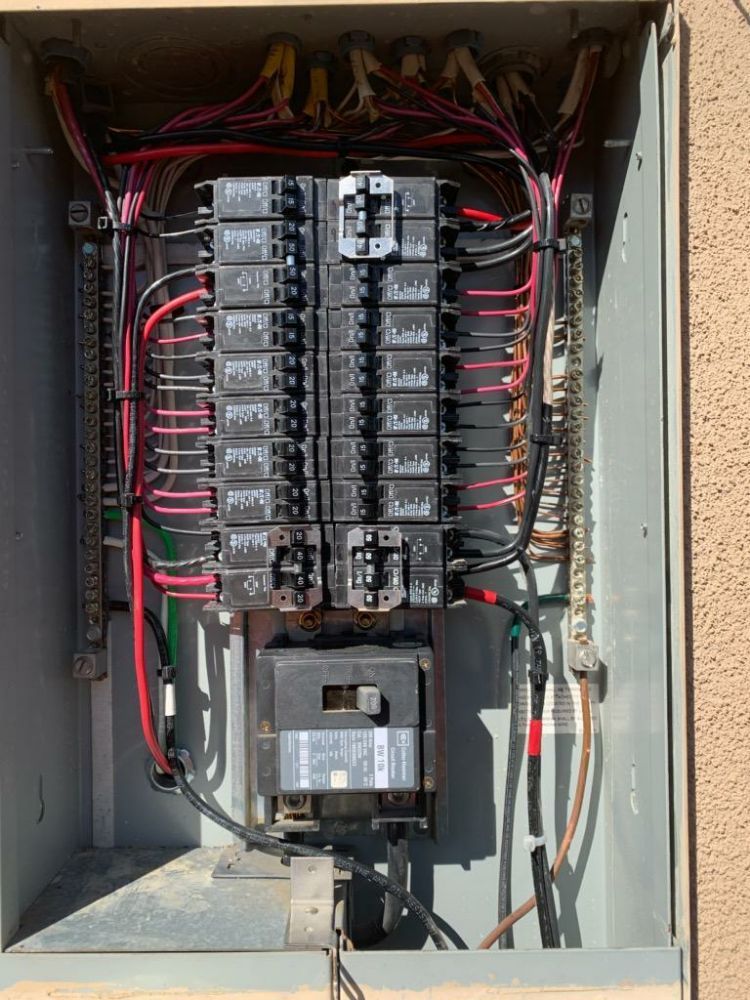
When the power comes back after a shutoff or outage, first make sure the whole house has power, then switch any generator or backup system back to the utility before turning things on a few at a time. Watch for a burning smell, warm or discolored outlets, repeated tripping or lights that dim and brighten, and call an electrician if you see any of them; a whole street still out or a line down is a job for the utility, and a downed line means staying well away and calling 911.
This guide is for homeowners in Los Angeles, Orange and Ventura counties. Our checklist for before a shutoff covers getting ready; this one starts when the lights come back on.
Why doesn't everyone's power come back at the same time?
After a Public Safety Power Shutoff, SCE's PSPS page says crews visually inspect every circuit before restoring it, which typically takes up to eight hours but may take longer if daylight is needed for patrols, and that customers get a final notification when their power has been restored.
For other outages, SCE's restoring power page says that if a neighbor's power returns before yours, your home may be on a different circuit or line.
So if the neighbors have power and you don't, check your breakers first (see below). If none is tripped, report the outage: SCE's electrical safety page lists its number for reporting an outage or hazard, LADWP's power outages page gives 1-800-DIAL-DWP, and city utilities such as Burbank, Glendale and Pasadena run their own lines.
If only part of the house works and no breaker is tripped, report that to the utility too; our article on half the house dark after an outage explains what it can mean.
How do I switch a generator back to utility power?
If you ran a portable generator through a transfer switch or interlock, go back to the utility in the order your electrician showed you and the equipment's instructions describe; our article on transfer switches and interlocks explains how each works. A few points apply to every setup:
- Take the load off before stopping the generator. The Electrical Safety Foundation's generator safety page says to start and stop a generator only when no electrical loads are connected, so return the circuits to utility power, or unplug what the generator was running, first.
- Shut it down outdoors. CPSC's portable generator safety alert says to use portable generators outside only, at least 20 feet from doors, windows and vents, and to turn the generator off and let it cool down before refueling. Never move a running or hot generator into a garage or shed.
- Never backfeed. CPSC says never to power house wiring by plugging a generator into a wall outlet; if that's how you've been doing it, stop, and ask an electrician about a proper inlet and transfer switch or interlock.
- Keep the carbon monoxide alarms. CPSC recommends battery-operated CO alarms, or plug-in alarms with battery backup, in the home.
How should I turn things back on?
Gradually. LADWP's electric safety page advises unplugging appliances during an outage and leaving one light on so you know when power returns, which it says also helps prevent circuit overloading that could delay restoration; SCE's outage tips say the same about the light.
Once the power is steady, switch on the most important things first, one at a time: the refrigerator and freezer, then heating or cooling, then everything else. If the lights dim or flicker each time something starts, stop adding loads and report it.
Why the care with electronics: the Electrical Safety Foundation's power outage page says that when power returns, a surge can damage TVs, appliances and even heating and air conditioning systems. ESFI's surge protection guide adds that a plug-in surge protector only protects what is plugged into it and must be replaced over time or after a major surge, while whole-home surge protection is installed by an electrician. If a device won't start afterward, unplug it and contact its maker.
What if a breaker tripped when the power came back?
Look only at the breaker handles behind the panel door. SCE's breaker reset guide says to turn off the lights and unplug appliances in the rooms that lost power, then move the tripped breaker fully to off and back to on, using only one hand and standing to the side.
Reset it once. If it trips again, leave it off and call an electrician; SCE lists a damaged cord or plug, a short circuit in an outlet, switch or fixture, or faulty wiring among the possible causes. Never hold a breaker on, tape it, or swap in a bigger one. See why a breaker keeps tripping, and if outlets are dead with no breaker tripped, start with the GFCI checks.
Electrician or utility: who do I call?
Call the utility, and stay away, when:
- The whole street or neighborhood is still dark.
- A power line is down, sagging or has something caught in it. SCE's electrical safety page says to assume a downed line is energized and dangerous, stay at least 100 feet away and call 911 immediately. LADWP's electric safety page says never to touch a downed wire or anyone or anything in contact with it, and to call 911 if anyone is in danger.
- There are sparks at the meter or the service wires to the house.
- Part of the house is out and no breaker is tripped.
Call an electrician when:
- A breaker trips again after one reset.
- You smell burning or hot plastic at an outlet, switch or the panel.
- An outlet, switch plate or the panel door feels warm or looks discolored or scorched.
- You hear buzzing or crackling from an outlet or the panel.
- Lights stay dim, or get unusually bright, after power is fully restored and the utility has checked and found no problem on its side. Report it to the utility first, since it can point to a problem with the service to the house.
ESFI's home electrical fires page lists dim and flickering lights, unusual sizzling and buzzing sounds, and circuit breakers that trip repeatedly among the warning signs of electrical problems, and says to contact a qualified electrician immediately. If there is smoke or fire, get everyone out and call 911.
Infinity Electrical Inc. (CSLB #1100231) offers this kind of after-outage troubleshooting through our electrical repair service. Need urgent electrical assistance? Call Infinity Electrical to check technician availability.
Is the food in the fridge still safe?
FoodSafety.gov says a refrigerator keeps food safe for up to 4 hours in an outage, a full freezer holds a safe temperature for about 48 hours, and a half-full freezer for about a day, as long as the doors stay closed. Its charts use exposure to 40°F or above for more than 2 hours as the line for discarding refrigerated food, and the site says never to taste food to decide: when in doubt, throw it out.
Medical devices, home batteries and EV chargers
Medical equipment. Check that powered medical devices restarted and are charging, following the maker's instructions, and call the supplier or your doctor if one doesn't come back normally. SCE's Medical Baseline Allowance, for households where a full-time resident regularly uses electrically powered medical or life-support equipment or has certain other qualifying medical needs, lowers the cost of running it rather than supplying backup power; SCE's PSPS page says that in a shutoff it will attempt to reach enrolled customers.
Home batteries. Check the app or display to confirm the system is back to normal operation and recharging, and follow the manufacturer's instructions if it reports a fault. See home battery backup for how these systems work.
EV chargers. Check that charging has resumed and any charging schedule is still set. If the charger shows a fault, follow the manufacturer's reset instructions; if its breaker trips again after one reset, call an electrician. Thinking of using the car as backup? See whether an EV can power your house.
Before the next shutoff
If this outage showed you what you'd like to keep running, a generator inlet with a transfer switch or interlock, a battery connection or whole-home surge protection can be planned now. Our backup power page explains the generator and battery options; we don't sell generators, and permit and utility steps are coordinated as part of the job. Call (844) 430-7681 or use the estimate form.
FAQ
Why do my neighbors have power and I don't?
Your home may be on a different circuit or line, or a breaker in your panel may have tripped. SCE says homes on different circuits can be restored at different times; check your breakers, and if none is tripped, report the outage to your utility.
Should I turn off my generator as soon as the power comes back?
Not before taking the load off it. Return the house to utility power through the transfer switch or interlock, or unplug what the generator was running, then stop it outdoors and let it cool before refueling or moving it.
A breaker tripped when the power came back. Can I reset it?
Yes, once. Switch it fully off and back on; if it trips again, leave it off and call an electrician.
Who do I call about a downed power line?
Call 911 and your utility, and stay at least 100 feet away; SCE says to assume a downed line is energized.
Can a power outage damage my appliances?
Yes. ESFI says a surge when power returns can damage TVs, appliances and heating and air conditioning systems, so unplug during the outage and restart things gradually.